Since I retired two years ago, my attention has been divided among many things that have tugged at my heartstrings for years (which is why my blog posts are few and far between these days), like clean water, reducing plastic, knowledge-transfer sessions on various environmental topics, and writing.
One of my favs is the work I’ve been doing at the Lower Susquehanna Riverkeeper Association, and our mission-driven, never-ending quest for swimmable, fishable, drinkable water.
Over Christmas, my brother-in-law, LJ DuToit, who owns Apex Views drone services in Chattanooga, took drone footage of the stretch of the Susquehanna that flows by our office, known as Lake Clark, a 10-mile stretch of man-made lake on the Susquehanna River between York and Lancaster counties. Created in 1931 by the Safe Harbor Dam, the dam impounds the Susquehanna River at Lake Clark, flooding the upper Conejohela Valley to form the lake, thereby maintaining sufficient flow for hydroelectric power.
I wrote a script, asked one of our Board members, Justin Mando, to do the voiceover, gratefully accepted the free music iMovie provided, and voilà—we have a cool little video of our beloved river. Go ahead and take a peek.
If you, too, like swimmable, fishable, drinkable water, consider becoming a member of the Lower Susquehanna Riverkeeper Association today. Because these days, the Earth needs a bit of support.
And if you need drone services, LJ will be back in PA this summer.
Over the last year and a half, I’ve had the pleasure of being on the board of the Lower Susquehanna Riverkeeper Association (LSRA) with a group of like-minded, water-loving volunteers. The experience is everything I want in a volunteer organization: mission and project-driven, hands-on, and hyper-focused on preserving and protecting the Susquehanna River. Both the board and staff give freely of their time and talent, advocating for a river that has no voice of its own, monitoring for pollutants and existential threats, teaching the next generation of environmental stewards, hosting events that engage the community and elevate its understanding of what’s at stake and why it’s essential to have Water Watchdogs like LSRA keeping an eye out, and, when all else fails, diving into litigation, even if it takes years to come to fruition.
Recently, LSRA, along with our partners at Waterkeeper Chesapeake secured a historic 50-year agreement to address many environmental issues associated with the Conowingo Dam in Maryland. Water quality and resiliency projects, trash and debris removal, wildlife passage, freshwater mussel restoration, and dredging are all part of the agreement, concessions that would not have been given without LSRA’s determined presence at the table. As a result of this agreement, LSRA will have the laboring oar on monitoring many of these projects for the length of the permit. That takes staff and money.
Yet our own legacy is far from certain. Money is tight, the economy difficult. Grant donations are drying up and non-profits are scaling back just when those affected by the current economy are suffering most. Sometimes it seems like everyone’s hand is out — probably because it is.
So what do we do to keep our organization alive and vibrant and advocating for the river?
Well, this, I suppose: appeal to the people we serve, our community.
The photos above tell a tiny bit of our story. If you would like to learn more about the incredible work LSRA is doing, visit our website, and if you are so moved, please donate today.
River rocks are the building blocks of a healthy river.
It’s 9:00 a.m. on a sunny spring day in May. Devin Winand, Deputy Director of Lower Susquehanna Riverkeeper Association (LSRA), Megan McCarthy, LSRA’s Community Engagement Coordinator, and Aaron Dixon, Program Coordinator for LSRA, gather at Long Level to greet a group of middle-schoolers. The kids scramble off the bus, excited to head down to the bank of Lake Clarke, so named because of its slow-moving water, where a fleet of tandem kayaks awaits them. Many of the students have never been on the river or seen it in person. Some are nervous, while others, who have fished or swum in the river before, are excited to show off their expertise.
The kids are split into two groups: the first group heads to the kayaks and life jackets with Winand, while the second group goes to Fishing Creek for an on-the-water stream study that also allows them to develop their kayaking skills.
Winand is on the river almost every time there’s a paddle. He starts the kayakers off with the safety goals for the day:
Safety first. Pay attention to your surroundings. Don’t stand up in the kayak. Keep your life vest on and zipped up at all times. The life jackets have whistles attached. Don’t blow them for no reason. A blown whistle is a sign of distress, but too many fake emergencies mean you may not get the help you need when you need it. Listen to instructions carefully; conditions on the river can change, and we may need to head back to shore.
Always have footwear. River rocks can be sharp rocks. Similarly, fishing hooks, metal, screws, and other debris continually end up in the Susquehanna, and some items can cause real damage. Keep horseplay to a minimum. While splashing around is fun, we don’t want anyone falling off their boat; it’s harder to get back into a floating kayak than it looks.
No throwing rocks. The river is a living, breathing ecosystem, and rocks can disturb the invertebrates, macroinvertebrates, fish, and other living beings within it. Follow your guides who will be at the front (leader) and back (sweeper) of the group. If you stay between those guides, no one gets lost or left behind.
Finally, the kids are taught how to get into and out of a kayak safely. Once Winand is satisfied that the kids have absorbed these safety lessons, they board their boats and set off.
The bigger safety issues, such as river conditions, wind, high water, rain, thunderstorms, debris, and bacteria levels, to name a few, are determined before the kids arrive. A muddy, high, and fast-moving river with tree debris floating downstream after a storm is not a safe place to teach. These details are relayed to the teachers before the children’s arrival, and a decision is made before departure to ensure everyone experiences an optimal day on the river.
The kids, along with their chaperones and teachers, paddle for an hour or so, perhaps their first time in a kayak. Sometimes, there will be a child who doesn’t want to go, but usually, the staff or a volunteer can talk them into it by easing their fears and focusing on the wonders they will discover while kayaking. At a mile across, the Mighty Susquehanna can be an imposing river. LSRA staff and volunteers appreciate this fact and do their best to ensure everyone feels comfortable. Most of the time, even those who were initially uncomfortable want to come back.
Meanwhile, McCarthy talks to the second group about the purpose of this river tour to ensure a meaningful, watershed-centric, educational experience. Before McCarthy came to LSRA, she was an environmental and science educator with a focus on Pennsylvania ecology, stream ecology, and overall forest health, as well as native habitats. Getting students outside and having a positive experience both on and off the water is one of her goals. She has worked for non-profits over the years, focusing on environmental education, and is excited to work on water ecology and watershed management.
Meaningful Watershed Educational Experience, or MWEEs, are a way to teach STEELS, Pennsylvania’s new science standards — science, technology, engineering, environmental literacy, and sustainability standards. LSRA has developed a model to describe how watersheds and wetlands function as interconnected systems, by analyzing and interpreting how issues, trends, technologies, and policies impact watersheds. LSRA’s model meets these standards through outdoor field experiences by collecting, analyzing, and interpreting environmental data. When assessed together, LSRA is able to interpret the health of the local watershed. Additionally, LSRA hopes this work will spark the next group of youth river watchdogs.
The MWEEs meet the new state standards in science, to which teachers must adhere. By teaching to MWEE standards, LSRA also serves its mission of advocacy and awareness for the Susquehanna and the surrounding watershed. McCarthy focuses the students on local issues, including data collection, investigation, and problem-solving.
The grade levels are primarily 6th-12th, but LSRA occasionally works with college students. The new state standards are what environmental educators have been doing for many years: hands-on, issue-focused, place-based education that helps schools meet the latest standards. By working alongside teachers and providing them with the tools to do so, it fills a gap in the curriculum for local issues with a hands-on, outdoors approach, which is a significant change for many teachers who would not otherwise have had access to the river. Volunteers, often Master Watershed Stewards, assist with the stream studies when additional help is needed. This year and historically, programming took place in the spring and fall, but changes will be coming soon with the new programming extending education to the entire school year.
The current program has a storied history. Winand’s parents started Shank’s Mare 45 years ago. The store was a retail outlet catering to backpackers, campers, windsurfers, and hikers. The last 20 years of its 45-year history were focused on paddle sports. Part of Shank’s Mare’s mission was to train people to navigate the outdoors safely, by giving them the skills to do so, along with a sense of place, introducing customers to locations where they could practice their chosen sport and schooling them in the history behind it. Early on, Winand’s father led trips to Mt. Rainier, the Sierras, Cape Hatteras, and Eagles Mere, among others. Their love of the outdoors made this not just a retail outlet, but a means to introduce people to the natural world.
In the 1990s, the owners decided to start a kids’ day camp. Some of the first kids’ camps were for friends of Winand’s or friends of Shank’s Mare. The camp ran until the COVID pandemic in 2020. They conducted four week-long sessions every summer for kids, ages 10-12 and 13-15. Windsurfing, caving, hiking, stream studies, and trash removal from local stream corridors were part of the camp experience, which is very similar to the mission of LSRA, which relies on outdoor recreation to emphasize environmental conservation.
Shank’s Mare relocated to Long Level in 1997, and the owners hired Gretchen Young, who held a master’s degree in wildlife and fisheries. She helped develop an educational program with a focus on water quality and macroinvertebrate studies. Over those 23 years, approximately 30,000 children participated in their programs. In 2024, LSRA acquired the Shank’s Mare program. Some of the same schools are still participating, so Winand has been working with the same group of teachers for a considerable amount of time.
Under LSRA’s tutelage, the goal is less about a pure outdoor experience and more about science education, focusing on advocacy using the MWEE framework, facilitating outdoor field experiences, and collaborating with educators to identify issues, conducting investigations and fieldwork, and finding solutions led by students’ questions and inquiries about the river watershed as seen through the lens of the collected data. To achieve this, experiences in paddling and boating are essential as they bridge the outdoor recreation and connection to place with meaningful watershed educational experiences (MWEEs).
The kids will focus on various aspects of pollution, including plastic pollution, chemicals, dissolved oxygen, bacteria, and turbidity, among other topics, to gain an understanding of the science behind river ecology. They assess the health of the area, which encompasses the river, the local watershed, and the riverbanks. In the future, the program will also analyze the students’ schoolyards, determining how they are connected to and can impact the Susquehanna River, the largest tributary to the Chesapeake Bay, which provides approximately half of the freshwater that feeds the Bay. LSRA hopes to launch this refined school programming in the coming school year.
In addition to the schoolyard analysis, the planned protocol includes multiple field trips, lesson plans, and assessments of bioindicators and streams. Many of the schools are listed as Title I, meaning they are underserved. McCarthy and Winand both participate in writing grants to help cover the cost of this programming.
One of the programs LSRA would like to expand is already in place at the Red Lion Middle School, which has a stream ecology class. The Red Lion students conducted stream studies in their local stream to gather specific data. LSRA also took them on a trash cleanup because it supplemented their focus area, which was to assess the amount and type of trash around the river and at the school. By the end of this field trip, the kids were exhausted, so there was no test, but there was a post-data debriefing to connect the dots and determine the stream’s health. Back at school, the kids piled their collections into their classroom at Red Lion, where they then estimated the amount and types of waste collected. LSRA was invited to attend the Red Lion event to observe the students presenting their work. LSRA hopes to conduct more trash assessments and cleanup/inventories with additional school groups.
LSRA conducts stream studies with almost every group. Fishing Creek, located at the south end of Long Level, is a great place to sample for macroinvertebrates. They use kick nets, big nets that capture sediment from the river bottom, to find their treasures. By moving a few rocks and grabbing a netful of sediment, the kids can pull macroinvertebrates into the net for analysis. They pull the net out and examine what they found, or turn rocks over to see what’s living underneath. The kids observe them on-site while McCarthy explains what they’ve found. When the lesson is over, they put everything back in the river.
This past spring, between May 2 and May 29, 2025, LSRA hosted 637 kids on the river in groups of approximately 15 to 30 per group. Last year, LSRA hosted over 1400 students, but weather (thunderstorms) forced them to cancel several of the sessions this past spring. During this busy season, they might see anywhere from 30 to 80 kids in a day! The ultimate goal is to conduct more programming sessions with fewer students at a time, allowing them to have a more hands-on experience.
LSRA attracts a diverse group of students in terms of their experience levels. Twenty years ago, not many people knew about kayaking, but today it is much more prevalent, so LSRA is drawing in more students who are comfortable on the water. Still, there are plenty of students who might never get the chance to kayak if it weren’t for this program. They use tandem kayaks so everyone has a partner. Often, the most nervous kids want to come back and do it again. It’s hard to tell if the teenagers had fun, since they don’t often express or verbalize their feelings. Usually, a few students will shake Winand’s hand and thank him for the experience. Occasionally, while Shank’s Mare was still running, adults would come into the office to say they had gone on a field trip years ago, and it was one of the best experiences they had ever had. Those types of experiences are what shape a young outdoor enthusiast.
With the transition from Shank’s Mare to the non-profit world, LSRA has seized this opportunity not to reinvent the wheel. With the bones of the program already in place, along with equipment, contacts, and relationships with schools and other organizations like the National Aquarium. Rather than spending time building from the ground up, LSRA has the unique advantage of focusing strictly on improving the curriculum to make it compatible with state standards.
McCarthy, along with Board member Sarah Jennings, gave Winand a crash course in the educational aspect of this program, as his schooling was in business and marketing, with a degree in management. Winand is now well-versed in state standards, such as MWEEs, and McCarthy and Jennings soon hope to learn from Winand and get out on the water more for more of the ground-truthing experience.
Jennings, Chair of LSRA’s Education Committee, was a formal classroom teacher in the environmental science realm and now works for Earth Force, a small national organization that aims to create young stewards through curriculum and outdoor experiences. Sarah also coaches and trains educators, school districts, and informal environmental educators on Environmental Action Civics across the Chesapeake Bay Watershed region. To bring LSRA’s program up to state standards, Jennings leaned into her 15 years of teacher training in formal and non-formal spaces across the Chesapeake Bay area. By coordinating with McCarthy and Winand to tailor LSRA’s curriculum to meet LSRA’s mission standards, LSRA has been able to deliver a quality, state-approved curriculum to students participating in LSRA’s outdoor classroom experiences.
LSRA’s mission is a balancing act. As a licensed WATERKEEPER®, LSRA operates in three distinct buckets. The education bucket involves working with kids, community groups, and adults. LSRA informs and enlightens these groups on the importance of the river, the pollutants, and activities that lead to its degradation, and what individuals can do to protect it, while also offering a unique watershed experience. By providing education to students, LSRA aims to inspire the next generation to become stewards of the watershed.
The second bucket is community science, headed by Aaron Dixon, Program Coordinator for LSRA. Aaron samples for microplastics, bacteria, and other contaminants that result in water quality issues. LSRA also conducts monitoring for smallmouth bass, which showcases community science opportunities. This program provides the complex data people need to decide how safe the river is on any given day. By color-coding the results in red, yellow, and green, which denote bacterial levels in the river, people can decide for themselves whether they will go in or stay on shore.
The final and most crucial bucket is advocacy, and this falls within the purview of Ted Evgeniadis, Lower Susquehanna Riverkeeper and LSRA’s Executive Director. Evgeniadis monitors pollution issues, policy changes, and initiates lawsuits against polluters, among other things, but wouldn’t be able to do so without the data LSRA collects, and equally important, the support of the community. By focusing on advocacy, LSRA ensures its priorities are aligned and avoids mission drift.
The mission of Lower Susquehanna Riverkeeper Association is to improve the ecological health of the Lower Susquehanna River Watershed and the Chesapeake Bay. Current and future citizens of the Lower Susquehanna River Watershed deserve high water quality, wise and sustainable use of all aquatic resources, and preservation of the aesthetic value of our waterways. Improvement will occur through education, research, advocacy, and insistence on compliance with the law.
If you would like to get out on the river and learn more about the ecosystem and history of the Susquehanna and the surrounding watershed, sign up for a paddle tour.
If you would like to join this worthy cause, consider becoming a member or volunteer today.
Red Rose Reuses, participating in a tabling event at Open Streets in Lancaster
I always love the way the universe sends you the right people at the right time once you make up your mind about what it is you want to do. I met Melissa Snavely and her husband Doug when they presented a six-session class on plastics at F&M College in the spring of 2024. Having just retired, I was looking for volunteer opportunities in my community, and I soon joined their nascent College Park Climate Action Neighborhood — CPCAN, or CAN for short — dedicated to tackling climate change and the many-faceted problems it entailed, on a neighborhood scale.
Fueled by Melissa and Doug’s endless ideas and creative energy, CAN encourages neighbors to gather together and take action to improve their community. Melissa and Doug are true community organizers, managing programs, meetings with local officials, knowledge transfer sessions with neighbors, and the CAN website, which houses a wealth of information that helps city-dwelling Lancastrians align more closely with nature, benefiting all who reside there.
CAN hosts events using small grants from various organizations, including the River Pathways Connection event, which featured a giant plastic sculpture inspired by the original sculpture, “Giant Plastic Tap,” by artist and activist Benjamin Von Wong. Wong encouraged others to follow his lead, and soon Doug had created his own plastic tap for use at various events.
Big Plastic Tap outside of West Art in Lancaster for the River Pathways Connection event, August 2024.
CAN’s website provides tons of information on topics such as Community Wildlife Habitat Corridor restoration . . .
. . . and other environmentally-friendly events such as plant swaps, reading swaps, and local bike outings to Central Market. Through its efforts, CAN is raising awareness of some very pressing environmental issues, one neighbor at a time.
CAN neighbors bike to Central Market to do their Saturday shopping.
I’ve been working with Melissa and Doug since we first met last year, and the most recent CAN spin-off is Red Rose Reuses, the next logical advocacy step for the group.
As it turns out, plastics are overwhelming our ecosystem. Yet, rather than pushing pause, manufacturers are producing plastic at unprecedented rates with no real plan to manage the waste stream, a particularly thorny topic that repeats itself with a variety of products. How to combat that? For starters, educate, advocate, organize, and take action. That’s what Red Rose Reuses is doing in our little microcosm in Central PA.
I asked Melissa to tell us how this all got started and what the future is for CAN and Red Rose Reuses.
Tell us about CAN and how you got started.
I was introduced to the idea of CANs (Climate Action Neighborhoods) through my volunteer work on the Outreach Committee with RegenAll. I was tasked with creating a Playbook on how to start a CAN. I attended the monthly meetings of the already established Hamilton Park CAN and was excited about the idea of neighbors working together to tackle climate issues. I decided to start one in our neighborhood. I thought our College Park area was uniquely positioned to be successful.
One of the first initiatives we undertook, based on what members seemed most interested in, centered on plastic. We developed a six-week program, applied for a grant to help cover speakers, materials, and other expenses, received the grant, and got started. Our second-to-last class was titled, Inspiration and Perspiration. Our speaker had been fighting single-use plastics for a very long time. We were inspired by her, but also knew it would take some hard work to make any kind of change. Did we, as a group, want to take that on? Our last session was on Education and Advocacy, where we discussed what that might entail. Do we take what we learned and go home and just worry about our own plastic, or do we get out in the community and help others understand the very real dangers of plastic in our environment, our homes, and, of course, now, in our bodies? We decided to take more public action, and Red Rose Reuses was born.
Did you always have an interest in plastics? And why plastics over more traditional climate change issues?
I can’t say I’ve always had an interest in plastic, but it has become increasingly apparent that we are being overrun with plastic, and unnecessary plastic in particular. Things wrapped in plastic that had no need to be wrapped in plastic. Plastic in and on everything! As we were able to recycle less and less plastic, the problem became even more apparent. Completing a plastic audit really made me take stock of the problem, both avoiding excess plastic, but also the petrochemical industry’s complicity in creating and maintaining the flow of plastics, all while telling us we just needed to recycle better!
Talk about the legislation Red Rose Reuses is trying to get passed in Lancaster City.
Red Rose Reuses aims to reduce and eventually eliminate single-use plastic bags in the City of Lancaster, and by request only, straws, plastic utensils, and other unnecessary single-use items.
In 2018, the City Council passed a resolution encouraging everyone to reduce their use of single-use plastic bags. A resolution is non-binding, so it felt good, but didn’t have any teeth behind it to make a real difference. COVID certainly set everyone back in many ways, but one of those was a return to relying even more on single-use plastics. We hope that through legislation, education, and outreach, everyone will reconsider the issues with single-use plastics, especially, and be encouraged to move away from unnecessary plastic bags. We also aim to provide structure, solutions, and support to facilitate this transition. Pittsburgh and Philadelphia have both enacted ordinances banning single-use plastic bags. It’s not rocket science; a lot of folks and businesses have already made the switch to reusable bags, but there are still many people who haven’t. We believe that if we can get the community on board with the low-hanging fruit of eliminating plastic bags, we can then proceed with more significant initiatives, such as removing plastic from our city schools.
What is RegenAll, and how are they involved in the Climate ActionNeighborhood?
RegenAll is a local non-profit working to help businesses, communities, and agriculture find meaningful roads to carbon neutrality. I refer to RegenAll as the mother ship – we Climate Action Neighborhoods are doing our own thing, kind of orbiting around RegenAll, but within the mission statement of RegenAll. We are able to enjoy the benefits of their 501(c)(3) status, along with some other benefits that help us do the work we want to do.
What makes plastics so dangerous to the water? To humans?
Plastic was a miracle material when first invented and has been put to good use. But along the way, corporate greed with no accountability created the monster that plastic is today. Plastic was and still is nearly indestructible. However, it does degrade over time due to use and weathering, and leaves behind dangerous microplastics as a byproduct. Microplastics and nanoplastics, even tinier pieces of plastic than microplastics, leach into our soil, water, and disperse into our air. Plastic food packaging, cooking in plastic, wearing synthetic clothing, beauty products, stain-resistant materials, all contain harmful plastics and chemicals that eventually find their way into us, and or our water. That doesn’t even account for the overwhelming amount of plastic waste that ends up in our oceans every day. Not only is that waste unsightly, but aquatic life can’t always differentiate plastic particles from food. We’ve not only caused significant harm to sea life, but also poisoned the very fish we eat. Ironically, we have created a circular economy with plastic, but it’s going in the wrong direction!
Do you think plastic is the most urgent issue of the day, environmentallyspeaking — one in which Red Rose Reuses can make a significant impact?
The most urgent issue of the day, environmentally speaking, is the one you’re willing to do something about. Pick your issue: plant more trees, fight for clean water, work on green infrastructure legislation, or protest climate injustice. I think we all find that people will fight for the issue that confronts THEM! I’ve only been dedicating myself to this work for the last year or so, but I meet many people who have been living plastic-free lives for years, and others who have been protesting, writing op-eds, and letters to their representatives for even longer. It amazes me that they still have the energy to do the work. But they do, and they’re willing to put up with newcomers to the fight like me. So if your question is, do I think Red Rose Reuses can make some inroads in our quest to get folks to change their plastic habits, or get them to think about repairing what they already have verses buying something new, or just to consume less, then yes I do think we can make some inroads — bit by bit, person by person. I’m not as convinced that we’ll be able to change corporate minds or elect government administrations that believe in climate change, but you never know.
What about PFAS? Do you have the same issues with PFAS as with plastics?
PFAS make me want to cry. Truly. We’ve just so thoroughly screwed ourselves. I can stop buying milk in plastic jugs or buy my produce without plastic wrap at a farm stand, but I’m not going to lie – I get overwhelmed by the enormity of PFAS and what they mean for all of us.
Have you ever been a community organizer before?
I have done some small organizing and committee work, but not to this extent. I am by nature a connector, whether it’s people or ideas, I enjoy bringing like-minded folks or compatible concepts together. The work that I do with the CAN has been the most satisfying work I’ve ever done. After retiring and taking some time to enjoy not having to show up for my job, doing a little traveling, welcoming our first grandchild, and surviving Covid, I was drawn to the idea of getting to know my community better while working for something I cared deeply about. I casually brought it up with my husband, Doug, and he said, “Okay.” Neither of us anticipated how much we have both come to enjoy our CAN work, but also how much work it entails. We’re our own worst enemies, of course, since we’re always dreaming up the next initiative over glasses of wine on the front porch.
We live in chaotic times. People seem unable to agree on much of anything, noteven the weather if it’s viewed through the lens of climate change. How do youengage people and keep them engaged in a society where the average attentionspan has shrunk to seconds and soundbites in our digital age?
Folks were very enthusiastic when we first started our CAN. We had an excellent turnout at our launch in January 2024, and the events that followed were equally successful. However, times became increasingly chaotic as the year drew to a close, significantly impacting our members’ ability to care for others or take on additional work. We’ve always been very cognizant of meeting folks where they are. We strive to keep our activities fun, flexible, and meaningful. If you need a month or two off from the CAN, then take it. Doug and I laugh that we’re like your dentist when you run into him at the market – you try to make excuses why you haven’t been flossing, when really, we’re just happy to say hello and glad to see you’re at least still brushing your teeth. We find that whenever we feel we’re losing momentum, another wave of folks comes along that lifts us up and reminds us why we’re doing this. Satisfyingly enough, we’ve had two new initiatives start up this year that were instigated by newer members of our CAN. One is a monthly children’s book and curated art project that revolves around the care of the environment, and a new group that will help build rider confidence with biking in the City. To answer your question about attention span, neither of those groups has room or the need for electronic devices, although I’m sure Doug will be snapping photos of the inaugural bike ride and posting them on our Instagram account. He’s become a little addicted to gaining new followers!
Thanks, Melissa. Keep on doing what you do. The world needs your remarkable talents. As American cultural anthropologist and author, Margaret Mead, said, “Never underestimate the power of a small group of committed people to change the world. In fact, it is the only thing that ever has.”
Melissa and Doug at a kick-off event for VegFest.
ONE OF THE GOALS of the College Park Climate Action Neighborhood and its partners is to create an outdoor science classroom to be utilized by city residents, educators, and citizen scientists (young and old) to help better understand the correlation between our natural world and our man-made world. Focusing on our trees, native wildlife habitat, rain gardens, composting, and our waterways, including stormwater drains and what flows into them, the outdoor classroom will demonstrate that our behavior is connected to the health of our ecosystem. Additionally, utilizing art, signage, and an online educational component, the importance of that connection will compel us all to take action in our own communities.
Almost ten years ago to the day, I published Oil and Water under the moniker P.J. Lazos. At the time, I thought I was being clever, using my initials like J.K. Rowling did, and also, hoping to attract male readers by using a distinctly not-female name. I had spoken to a marketing executive before the book came out, and she saw my using my initials instead of my name as a distinction without a difference, telling me only to “keep your name consistent” across all my work.
I heard her, I did, but at the time, I felt as though I should keep my lawyering and writing lives separate. So I went with P.J., a decision that I’ve come to regret over and over again.
Until now.
Now, I am rectifying my past regrets by reissuing Oil and Water, and soon, Six Sisters, under the name by which people call me. Will it increase sales? Perhaps. Will it bring me untold fans and followers? A higher ranking in the stats? Perhaps. At least I no longer have split personality disorder, and people will be able to find me by my name.
Thankfully, when my friend and colleague, Andy Goldman, created the original Photoshop cover — based on his own photograph of the Philadelphia skyline that artist Janice Kim rendered for me into an oil painting, and that Andy later converted back into a photo — he created two covers: one for Pam Lazos and one for P.J. Lazos.
Unfortunately, the original files are lost — although I do have Janice’s oil painting hanging in my office; thank you, again, Janice! — but because, as writers, we instinctively know when a piece of our work is not fully cooked, I still had both covers sitting on my desktop — where they’ve lived for the last ten years. The files may have been lost, but the cover was found. I just needed to know where to look.
To take advantage of the reboot, I also added chapter headings to the novel — great fun — and cleaned up some typos. (I learned the hard way that global changes are not always your friend.)
To further accentuate the positive, I created this little trailer in iMovie, something else that has been in the works for 5-Ever, but which was relegated to the back seat due to other project demands. My daughter, who works as a Production Coordinator, has already spotted a few things I need to change in the trailer. Yet, as with everything I do, this is both a labor of love and a work in progress. Perhaps none of my works will ever really be finished.
Since the book went live on Amazon today, I’m releasing the video now. Maybe I’ll fiddle with it later. Maybe it will fall to the bottom of the pile and sit for another ten years, having given way to the other projects lining up behind this one, all clamoring for attention. The list is long. Our time on the planet is, as always, uncertain. You do what you can, when you can, as best as you can.
Speaking of the best, how fun is it that Aladin Fazel lent his creative musical self to this endeavor? I know Aladin from the blogosphere. It always amazes me how you can find such kindred spirits in the 21st century and never even meet them in person or speak with them on the phone, kind of like the old days of having a pen pal. Aladin’s score really brought the danger lurking in Oil and Water to life for me, and it’s the perfect complement to the trailer. If you want to see what else Aladin is up to, you can find him at lampmagician on WordPress. Thank you again, Aladin!
BTDubs, summer is coming, so if you haven’t read Oil and Water, head over to Amazon now. This book will not disappoint. You may find it to be the perfect beach read.
And if the type on the back of the book is too small for you to read, here is the Kirkus review of the book for you to noodle on:
Lazos (Six Sisters, 2015, etc.) mixes childhood genius, corporate corruption, and the paranormal in this science thriller.
While the oil business is a fraught enterprise, few expect any danger from that industry to follow them to American soil, much less to their own homes. The Tirabi children—Avery, Kori, Robbie, and Gil—and David “Hart” Hartos know better. Gil has a premonition that allows the kids to escape their home just before it’s burgled and bombed, while their parents are run off the road and killed. But Gil’s unusual gifts don’t end there, as his brilliant mind and connection with his father’s spirit allow him to continue work on the man’s final invention: the Thermo-Depolymerization Unit, a machine that converts any carbon-based matter into oil. Meanwhile, Hart is reeling from the deaths of his wife and unborn child and finds no relief in his engineering efforts for Akanabi Oil. Not only is his boss his late wife’s father, but a rash of oil spills only belies the real problem: oil is running out, and a global catastrophe is imminent. When Hart and Gil meet, it’s no wonder they experience a kinship and join forces to complete the TDU and unravel the mysteries of their own personal tragedies and the depths of the world of oil. It’s easy for a science thriller to get too bogged down in theory and explanations to have a real story or, conversely, to use weak technical details as a backdrop for inferior drama. Thankfully, this surprising novel deftly avoids both pitfalls. The science is compelling and balances supporting the narrative with providing relevant real-world context while the tale possesses a depth of emotion rarely seen in this genre. The two sides actually support each other. The realities of a coming oil crisis give both characters and readers something to fear, and touches like the medical and forensic perspective on Hart’s wife’s death manage to be haunting and affecting, not just clinical. Finally, the characters are a genuine delight, all with their own voices and relationships—an especially impressive feat with four children ranging from age 11 to young adulthood.
An insightful, emotional, and deeply relevant novel about an oil industry conspiracy.
Review Posted Online,
KIRKUS REVIEW
Pick up your copy today. And if you want to support indie writers, leave me a comment on Amazon.
In April, Melissa Snavely and I, co-directors of Red Rose Reuses, had the pleasure of presenting a talk on reducing single-use plastics. Red Rose Reuses originated under the umbrella of College Park Climate Action Neighborhood (CAN), an affiliate of RegenAll. RegenAll is a local non-profit working towards carbon neutrality across business, agricultural, and neighborhood networks.
CAN borders F&M and Buchanan Park in Lancaster, PA, and just completed its first year of community climate action. One of our first initiatives was the Plastics Awareness Project – part personal audit, part educational, and part call for direct action. But mostly, it was a thorough look at the proliferation of plastics in our everyday lives, not just in our homes and the environment, but also at the growing evidence of microplastics in our bodies. It was through that program that a small but determined group decided to advocate for the reduction of single-use plastics in the City of Lancaster. Hence, Red Rose Reuses was born.
We have lived on planet Earth for a long time, but in the centuries since the Industrial Revolution, we began living out of balance, resulting in oversized problems that we never took the time to solve upfront. Nuclear and hazardous waste, human waste, and now plastic waste all contribute to our waste issues. Some have no viable, permanent solutions, like nuclear waste; some add chemicals to the water as part of the solution, like human waste, and some, like hazardous waste, can be contained in a facility, but eventually, those containment sites will need to be rethought since they are only stopgap measures.
And now we have plastic, which doesn’t break down or biodegrade except into smaller and smaller pieces. Sadly, the more plastic we make, the more we have to clean up, and since we don’t yet have a viable way to deal with plastic pollution, rather than amp up production, we should be looking for ways to reduce, reuse, and recycle.
Here are a few facts:
9.1 billion tons of plastic have been produced since its introduction in the 1950s.
Virtually every piece of plastic ever made still exists in some shape or form (except the small amount that has been incinerated).
91% of plastic waste isn’t recycled, and plastic doesn’t biodegrade, which means it could exist for hundreds or even thousands of years.
One million plastic bottles are purchased every minute around the world.
33 billion pounds of plastic enter the ocean every year.
Marine animals eat plastic, thinking it’s food, and it causes them to starve because they can’t digest it.
By 2050, there will be more plastic in the ocean than fish.
On average, people ingest 5 grams of plastic (about the weight of a credit card) every week, or approximately 100,000 pieces of microplastics each year.
The result? Microplastics have been found in our lungs, livers, spleens, and kidneys, sometimes with fatal effects.
Let’s talk about the costs:
It takes 12 million barrels of oil to manufacture the 30 billion plastic bags consumed in the US annually.
About 8 percent of the world’s total oil production goes to making plastic. More importantly, production is expected to triple by 2050.
A single-use plastic bag costs between $.05 and $.07 and has a useful life of about 12 minutes.
A single-use ketchup packet costs between $0.03 and $0.25, depending on your buying capacity; an estimated 855 billion condiment packets are discarded yearly globally!
Besides pollution, there are many other unintended consequences of plastic waste, such as health care costs. The National Institutes of Health says we spend about $250 billion/yr in health care costs, attributable to the chemicals used to make plastics, which is not surprising given that microplastics are consistently being discovered in our brains, blood, and bodies in general.
There are a great many benefits to be derived from reducing our reliance on plastics and the petroleum products that create them (and which I will save for the next post).
For now, I’d like to introduce you to Karl Gibbons, a Business Growth Architect, and one of the most intriguing and knowledgeable people I’ve ever had the pleasure to meet. Karl has some heady ideas about changing human behavior and offered to write the following piece. I hope you will read it and chime in with your own thoughts on this topic, which, from an environmental and health standpoint, is one of the most pressing issues of our time.
Behavioral Economics & the Packaging Problem: How to Nudge the World Toward Sustainability
Behavioral Economics is the study of how people actually make decisions — not how we think they should. It blends psychology with economics to understand the biases, triggers, and shortcuts that guide human behavior. And when it comes to saving the planet, those insights aren’t just useful — they’re essential.
If we want people to choose recyclable or biodegradable packaging, we have to accept a simple truth: facts alone don’t drive action. Logic informs, but emotion moves. The good news? We can use behavioral nudges — small, strategic shifts in the environment or incentives — to encourage more sustainable choices.
Take ketchup packets, for example.
Globally, we throw away an estimated 855 billion single-use condiment packets every year. These tiny sachets — mostly made of plastic and aluminum — are nearly impossible to recycle and almost always end up in landfills.
So, how do we change the behavior?
Simple: we attach a cost to the unsustainable choice and remove the friction from the better one.
Imagine a fast-food restaurant that charges 50 cents per ketchup or mustard sachet – a WasteRate, but offers manual pump dispensers at no cost and issues PlanetPoints. That’s not just an eco-friendly option — it’s a behavioral nudge rooted in loss aversion (people hate losing money) and convenience. Suddenly, the path of least resistance aligns with the planet’s interests.
This is how we use Behavioral Economics to reshape habits—by creating either pain (a penalty or cost for wasteful choices) or pleasure (a reward or savings for sustainable ones).
Let’s apply this to supermarkets. What if clear plastic containers were taxed a WasteRate at checkout — but products in biodegradable or recyclable packaging came with a discount or loyalty PlanetPoints bonus? That small price signal would subtly shift consumer behavior over time, nudging people to favor packaging that doesn’t live forever in a landfill.
And it’s not just about consumers. Packaging manufacturers could be offered tiered incentives based on the recyclability and sustainability of their materials. EcoCredits (tax credits) for producing compostable containers. EcoTax penalties for generating hard-to-recycle waste. That’s how you drive change not only at the point of sale—but at the source.
The science is clear: people don’t always do what’s best for the environment — but they will respond to clear signals, smart incentives, and well-designed choices. Behavioral Economics gives us the blueprint to redesign those decisions.
Saving the planet won’t come from guilt trips or greenwashing. It’ll come from creating systems that make the right choice the easy choice.
About the Author Karl M. Gibbons is a Business Growth Architect and the Founder of Third Eye Management & Associates (TEMA)—a strategic partner for purpose-driven entrepreneurs, brands, and organizations looking to grow smarter, scale faster, and build businesses that truly matter. With over 40 years of experience across multiple sectors, Karl blends Behavioral Economics with real-world strategy to help leaders create brands that are not only successful but uncopyable in their mission and marketplace.
Pretty smart advice, eh? If you are an entrepreneur who sees value in a behavioral approach to business, I encourage you to contact Karl at any of the contacts above.
And stay tuned for Part 2 of Managing Our Love Affair with Plastics.
A few months ago, I enjoyed a sneak peek tour of the new Stevens & Smith Center for History and Democracy, located on the southwest corner of the Marriott hotel at the corner of Prince and Vine Streets. The museum is comprised of what used to be two houses belonging to Congressman Thaddeus Stevens — his home and law office, and the adjacent Kleiss Brewery. The bones of the museum are now finished, thanks to the fantastic efforts of Lancaster History, and the museum is currently being populated with all the artifacts that will bring Stevens’ and Smith’s lives, along with this period of history, to life. Lancaster History intends to open the museum to the public in early 2026.
Lydia Hamilton Smith was born on Valentine’s Day, 1815, to an Irish immigrant father (although some say Scottish, and others say her father was the Tavern owner, Mr. Hamilton), and a free African American mother. She lived in Gettysburg and had two sons with Jacob Smith, a barber and banjo player who was also a free African American.
Thaddeus Stevens was an abolitionist and one of the most powerful men of the 19th century, responsible for the passage of the 13th Amendment (abolition of slavery), the 14th Amendment (the equal protection clause), and the 15th Amendment (the right to vote for all male citizens).
Lydia met Thaddeus Stevens as a youngster and, years later, moved from Harrisburg, where she had lived with her husband (then estranged), to work for Stevens.
Thaddeus tutored Lydia in finance. She became his business manager and ran his household. He enabled her to buy her first property at 21 E. Vine Street in Lancaster in 1860. She lived there briefly and then moved into Stevens’ house on Queen Street with her two sons. Together, they raised her sons and his two nephews, whom Stevens adopted when his brother died. Lydia worked for Stevens for two decades, serving as the lady of the house for his business and social gatherings. Stevens commissioned her portrait, one of the few renderings of Lydia, and, upon his death in 1868, Stevens left Lydia the substantial sum of $5,000 in his will, along with all the furnishings of the home they shared.
Under Stevens’ tutelage, Lydia owned approximately six houses, including several boarding homes, one in Philadelphia and one in Washington, D.C.; the latter was a residence for prominent dignitaries and congressmen.
In 2014, the Junior League of Lancaster formed the Lydia Hamilton Smith Society in partnership with Darlene Colon, a prominent local reenactor who has been channeling Ms. Smith for over two decades now. The program aimed to teach young women meaningful life and academic skills, such as critical thinking and resilience in overcoming challenges, research methods, written and oral communications, and public speaking, by connecting with a female historical figure such as Lydia Hamilton Smith, who not only busted through a succession of glass ceilings, but who, along with one of the most prominent Congressmen of the 19th century, helped fugitive slaves on the road to freedom with her participation in the Underground Railroad.
Museum recreation of a room in Stevens’ law office.
From the second-floor window of the museum, looking south toward the recently renovated Southern Market.
Second floor of the residence.
Social reformer, orator, writer, and known abolitionist, Frederick Douglass.
Notable abolitionists.
From my work with the Junior League, I learned much about Lydia, who, like Thaddeus Stevens, was a trailblazing visionary who shunned convention, social norms, and public perception to achieve specific societal goals. As a propertied woman of mixed race, Lydia commanded respect because of her holdings and position in society.
The cistern.
Lydia’s story is intriguing, but her life was not easy. Unfortunately, much of the work she and Stevens conducted in support of the Underground Railroad has not been documented, given the need for secrecy surrounding such endeavors. Lancaster History’s forensic recreation of this time in American history is a testament to the diligence of dozens of scholars, historians, and community members whose tireless perseverance brought this period of history and the story of these two incredible individuals to light.
Bird’s eye view of the cistern.
The cistern had an air hole at the top, leading to speculation that it was a hiding place for runaway slaves.
View of Southern Market, Lancaster, PA, initially built in 1888.
These historical photos are part of the museum’s offerings.
The incredible Erin Sell, Director of Development at Lancaster History, whose work, along with the President and CEO of LancasterHistory, Robin Sarratt, ensures that women’s stories are all of our stories — and that they won’t be lost to history!
In a nod to serendipity, I had the pleasure of working on From the Heart of Lydia, a book of historical fiction for middle-schoolers with two other incredible women, Darlene Colon, who can trace her resistance roots back to her third great-grandfather, and Terry Webb, MEd, PhD, who has long been interested in Thaddeus Stevens, authoring several books from this period in history.
Sunbury Press will publish our book, From the Heart of Lydia, in early 2026.
I’ve learned so much from working with these outstanding women. I hope that our little book, along with the fabulous Stevens and Smith Center for History and Democracy, will help buttress the twin causes of history and democracy for many years to come through the telling of a story that has been underground for far too long.
If you have any artifacts from this period in Lancaster’s history that you want to donate to the museum, go here.
If you want to donate to the Stevens & Smith museum campaign, go here.
Pristine. The word means unspoiled, untouched, or as new, a quaint concept when describing the environment because there is almost no place left on earth that hasn’t been touched by man’s meddling. Today, freshwater supplies are more endangered than ever in human history. When only 0.5% of our freshwater is accessible and useable, and as of today, there are 8.2 billion thirsty people on the planet, I’d say that we will need to rethink some of our choices sooner rather than later.
Add this to the fact that companies are selling us our groundwater — water that belongs to all of us — in small and large plastic bottles that eventually find their way back to our oceans, rivers, and streams because only 10% of plastic bottles are recycled, and I’d say we’re on a fast track to buying the farm. This is America, eh? All’s well that ends well. Except that none of the environmental indicators agree. We can’t live our lives this out of balance and expect the fun Hollywood ending we’ve all gotten used to seeing.
Rather than try to scare the bejeezus out of you with all the dire environmental predictions, this World Water Day, I’ll leave you with a few pieces of prose that will, hopefully, spark your creative fire and encourage you to act on behalf of water.
The first is a free-write from fellow blogger da-AL at Happiness Between Tails, entitled “I Am Water.”
Dictionaries call me transparent.
Yes, I am water, but I’m much more!
As streams, rivers, and oceans, I might be a rainbow of blue and green that shimmers into turquoise.
Watch a rivulet on a sidewalk; you’ll see me as gas-slicked with ruby, emerald, and sepia. Lapping into waves at the beach or against a child’s bath, I’m spun into a milky froth.
Gaze upon my expanse when days or nights are calm; I’ll mirror the sun and sky or the moon and stars. Let wind brush against me, and I’ll challenge diamonds to glitter with more facets than I do and stars to send out more lashes of brilliance.
Crane your neck and watch me hover far above in the wisps and fists of clouds that’ll invite you to imagine are shaped into animals and more. Close your eyes for me to splash your face with silver droplets of rain. Wait for a very cold day to see me drift white snowflake prisms onto tree tops.
Strain me into a glass, and yes, I’ll be dictionary-clear. Allow me to sit, and I’ll give life to green moss. Dark storm clouds of me can churn earthbound bodies of me into silt.
Whatever my color, I am the force that allows your eyes to see me in all my kaleidoscopic glory. Run your fingers through me, and I escape. Cup your hands to drink me, and I’ll nourish you.
Could it be that I, water, am the color of your soul?
Beautiful, right? I can just feel the clouds drifting by, the rain on my face, the prismatic color of water. We are one, water and us.
This next one by prolific author and blogger Mike Steeden is a bit more sardonic but equally profound because all life is a balance, and if you don’t know your liabilities, you can never fully enjoy your assets.
The sky will last forever The clouds are temporary In a 100 years from now What remains will be a poisoned sea
Some will call it tragic When the sea puts on its show for free Just rotting fish and plastic A becalmed toxic destiny
Idiots and profiteers Sit back and watch it on TV The carcasses of whales The cloak of everlasting synthetic debre
It’s already far too late to save The art of sky and clouds and sea Maybe you’ll have a picture on the wall Of nature’s old-days creativity.
I wrote a version of this last one a decade ago when I first started blogging. Sadly, little in the world of water has changed.
I Am Water
I am water. And so are you. At least about 72% of you is, along with the person you love, your kids, friends, and all your acquaintances, all mostly water. Several billion years ago, a few single-celled organisms started focus groups, formed bonds, discussed logistics, and eventually crawled out of the primordial soup. Oceans covered the planet at one time, and dinosaurs roamed the earth. Despite the passage of time, we’re still drinking dinosaur pee.
When I was born, I shared the water on this planet with just over 3 billion people. Today, I’m sharing it with 8.2 billion. By 2030, one-third of these billions of people will not have access to clean drinking water; by 2040, the constant struggle of 9 billion people’s energy needs vs. personal water use will create dire water shortages for the entirety of humanity; by 2050, it could be game over.
Rather than say, “The problem is too big; there is nothing I can do,” say, “I am water.” By aligning yourself with the essence of water, you change the game.
Water is fluid. Water is cleansing. Water is buoyant, intuitive, and multi-dimensional. Water knows how to heal itself, and intrinsically, you do, too.
March 22nd is World Water Day, a day to meditate on the blessings of something seemingly so bountiful and so much a part of us — something we can’t live without. Yet, its future remains precariously balanced. What can you do to ensure it remains here for many generations?
Maybe start by ditching the plastic water bottle — preferably into a recycling bin.
According to the world’s leading astrologers, in 2025, mankind will make a paradigm shift that took 12,000 years to arrive, a “literal metamorphosis for us as humanity.” From the vantage point of utter chaos where we find ourselves sitting these days, it’s inconceivable that such a shift could even be possible. Yet, planetary activity suggests otherwise, with some predicting that “our 24th chromosome is coming back online,” which “will open up our multidimensionality in a way we’ve never known it before.”
I’m sure we can all agree that we in the U.S. are in one of the most turbulent and disagreeable times in our collective history, not from a survival standpoint — most of us have everything we need and then some — but from a well-being perspective. We have lost our sense of community, preferring an us vs. them mentality, and as a result, can agree on next to nothing. Some want a return to the old patriarchal system where a man is the head of the household, and his wife and children are the support staff. As a modern woman who enjoys a challenging career and a nourishing and fulfilling family life, I had hoped this line of thinking would wither and die on the vine; instead, it has returned with greater force and urgency than ever before. Certain factions of society are dug in, demanding a return to a normal lifestyle by leaving the gains made in civil and women’s rights, and environmental protections achieved over the last half a century in the rearview mirror. That our mothers had more bodily autonomy than our daughters is the stuff of fiction.
For centuries, mankind has used the earth’s resources to its advantage, usually with good intentions. We needed those resources to survive. Today, we reach way beyond survival, taking more than we could individually or collectively use, taxing the earth’s ability — especially its water — to recharge itself as we stand on the precipice of a 6th mass extinction, with as many as 150 species a day vanishing at an alarming rate. Despite the denials of the current administration, climate change is well underway, leaving people vulnerable to the vagaries of extreme weather and putting humanity on a collision course with its own destruction. Parts of the earth will soon be uninhabitable due to fires, floods, droughts, excessive heat and/or cold, inability to grow food, poisoned air and water, the list goes on if you have the stomach for it.
So what do we as a society do to unravel the mess we’ve made? Enter AI, the key, as some see it, to mankind’s salvation. For decades, scientists have realized computers would one day surpass us technologically. Still, the fear is that if we don’t partner with computers, they will one day control us, similar to the way we try to control everything in our natural world. Translation: we messed up; the planet is dying; this is the only way we survive — by aligning ourselves with computers, pairing them with humans like you would pair a fine wine with a good meal. Sounds great if you can control it, but that’s the unknown known. Yet, scientists are actively looking for ways to partner with computers rather than risk losing control. If you can’t beat ‘em, join ‘em, right? We’ll worry about the rest later.
So our big brains got to work, programmed computers that could think faster and more brilliantly than humans, and developed a new species: artificial intelligence. This extraordinary piece of hardware and software that processes crazy amounts of information in nanoseconds just happened to be made by man. How did it come to be that man created something poised to be more innovative, more creative, and more adaptive than man himself? It’s a rhetorical question we should take time to debate, right?
Nah. That would get in the way of hurling epithets at each other. Let’s plow ahead, see what happens, and pray we don’t unleash the next round of Frankensteins on the world.
But when is she getting to the book review?!
Right now. So, without further philosophizing, let’s talk about the latest novel by Fred Burton entitled Man Made.
In 2020, Burton heard Joe Rogan interview Elon Musk about his Neuralink project. Neuralink Corp. is an American technology company that makes implantable brain-computer interfaces (BCIs). Musk founded the company in 2016 with a group of scientists and engineers with the premise that someday computers would outwit us, so we had to adapt and do the next best thing — cohabitate with them. Since its inception, Neuralink has been working on a prototype for inserting a piece of artificial intelligence into the human brain. As of January 2025, three people have been implanted with Neuralink. Fred Burton has taken the concept of a society steeped in Neuralink adherents and turned it on its head. For those who have no interest in going gentle into the dying light, this book is for you.
In Man Made, the Neuroblast system, developed at the highest levels of government, attempts to connect humans to computer technology via a chip insert to allow for sharing of the computer’s data sets. As the first human test subject, Milo is already more intelligent, faster, more potent, and more prescient than regular humans. Think The $6 Million Man, a popular TV show from the 1970s, on steroids. Now, imagine he also has ESP. Touted by the government as a way to save mankind, this guy will be the GOAT! If only they can keep Milo alive.
Sadly, the engineers responsible for this product’s design, implementation, and testing are on an entirely different mission than the government operatives responsible for oversight. While the engineers work tirelessly to create a hybrid human that may one day be more gifted than DaVinci, stronger than the Hulk, and wiser than Confucius, the government operatives assigned to the project would prefer Ghengis Kahn, the Terminator, and Rocky all mashed into one.
And so, the trouble begins. Milo, the leader of his recently disbanded Punk rock band, Death Scepter, has become disillusioned and discontented with his life. His food service job is a dead end, and the last member of the original Death Scepter has left the group to settle down and do grown-up things. When the government approaches Milo to partake in a Neuroblast experiment, he accepts the offer, feeling he has nothing to lose. Milo makes impressive progress on many fronts after only a few treatments, but when the President of the U.S. decides things are moving too slowly, the operatives change the protocol. To the disgruntlement of the engineers working on the Neuroblast project, the government is no longer interested in testing the limits of this new man/computer merger but rather in making Milo a weapon of war. When Sheila, the chief engineer, resists her new orders due to the moral and ethical issues they raise, and her fear for Milo, to whom she has become fiercely loyal, she is fired. And that is just the beginning.
Fred Burton has written a post-apocalyptic, mind-bending thriller that scours the depths of morality, ethics, and consciousness in a race to control the very essence of humanity. Using well-drawn characters and references to today’s biggest problems, Burton explores what once was while trying to make sense of what will be and the cost of getting us there. This thoughtful, provocative page-turner explores themes not easily debated in the 2025 political landscape and asks questions we may not want the answers to as we hurtle toward a future that seemingly has already arrived. The question is, are we ready?
So where are we, people? Are we more interested in self-aggrandizement, hoarding resources, and conquering the free will of man than in finding a way to live peaceably with all creatures on a once-thriving-and-could-be-again planet? Read Man Made by Fred Burton and find out who will win the struggle to control mankind’s destiny.
John Naylor, a former Lower Susquehanna Riverkeeper Association (LSRA) Board member and founder of Susquehanna Plastic Pick’n 1000 (SPP1K), has another idea for getting plastic out of the Susquehanna River. This one started with a conversation John had with Daryl Lehman at Double Blaze Painting after Daryl did some painting for John, which resulted in a $250 rebate. Rather than pocket the cash, John created a funraiser around it.
And so March Madness with SPP1K a/k/a Pick-a-Pound Funraiser was born. From March 1st through April 7th, 2025, John, with some help from the Dirty Dozen, will pick up 1,250 pounds of plastic along the Susquehanna River. John wants to raise at least $1,250 at a dollar a pound.
Now, 1,250 pounds is more than half a ton so this is no slam dunk. To participate, you can pledge a fixed amount or by the pound, whatever you choose. We will display the numbers weekly so you can keep track of John’s progress. While you’re at it, why not become a member of LSRA? The best way to protect a resource is to have thousands of people fall in love with it. So check our website for the 2025 slate of events or visit us at the LSRA office where you can see the river for yourself.
If you live in the Central PA area and need a courteous painter who does beautiful, timely work, call Daryl, LSRA’s newest supporter, at Double Blaze Painting.
And now, a little background on John Naylor, who graciously answered a few questions in preparation for the March Madness SPP1K fundraiser.
How did you get involved with LSRA?
My introduction to LSRA was before Ted Evgianides became the Riverkeeper. I had been cleaning up along the river in York since the late 1990s, joining in cleanups along the Codorus Creek with Michael Helfrich, currently the mayor of York, PA. Helfrich previously served as the Riverkeeper; Ted took over in 2018 when Michael became mayor. Michael started the non-profit Codorus Creek Improvement Partnership to restore the natural resources along the Susquehanna River. We would pull scrap metal from the creek, take it to the recycling facility, and then use the money to fund further work at the Codorus Creek Partnership.
As I calculated the amount of trash on the river, I could see that somebody needed to do something to make a difference. I had no real experience, but I took the first, most challenging step, and everything else has fallen into place since then. Things went well for a while, but in 2016, the administration changed and the grant money stopped coming in so I decided to start cleaning up on my own. In January 2020, I ran into Phil Wenger, former President and CEO of Lancaster County Conservancy. We exchanged numbers and I met with Phil at his home. As a result of that meeting, Phil gave me a small dumpster that I could fill at my leisure, so I got to work.
The dumpster was small, about 15 yards, and I would have to cut things into pieces to fit. I got the dumpster on March 2nd and filled it out by March 25th. On April 25, 2020, I got my first large dumpster at 30 cu. yds. Average weight filled is 5,500 pounds or about 2.5 tons. The dumpster recently moved upriver to Codorus furnace, where it lives alongside a second dumpster that the Department of Conservation and Natural Resources (DCNR) maintains in the Susquehanna Riverland’s State Park, strategically placed along the river’s edge.
For the last four years, I’ve been going out on the river about 25 times a year in one form or another, either on the river or along the riparian buffers for cleanup. I fill two of these dumpsters a year. Eventually, homeowners along the river got to know the little green pickup truck that always left with a lot of garbage.
Tell us what a typical day on the river picking up plastic looks like.
I started picking up sundry bits of plastic when I was on the river enjoying eagles flying and turtles sunning themselves on logs. I couldn’t ignore the sheer volume of trash on these visits, so my purpose evolved over time to picking up plastic while also enjoying what was happening on the river. I live in York City and have easy access to the river. Once they got to know me, people along the river let me put my boat in at their houses because they were happy with my work. Sometimes I walked along the river’s edge and picked up along the shore for an hour. I can usually fill my canoe in three or four hours. From there, I transfer it to my pickup truck and dispose of it in the dumpster. The whole process takes five or six hours.
Say I go to Long Level and drive down to the Flats. By the time I get back, load my trailer, and drive to the dumpster, it’s been six hours. I’m tired at the end of the week because I have a full-time job, but I feel called to do this work and the calling is pretty strong because I’ve been doing it in some form for over 25 years. And while I started with general trash cleanups organized by other groups — i.e, some scrap and metal, and different things — I started doing it independently, driven by the sheer volume of plastic along the river. Since plastics take hundreds of years to break down (into smaller and smaller pieces), and we rely on it more and more as a society, it’s everywhere now. Over the last seven or eight years, there has been way more plastic along the river due to the cumulative effect, so it feels like we take one step forward and two steps back, making it hard to gain traction when drowning in the sheer volume of plastic. For example, an aluminum can be retooled repeatedly and turned into valuable products while plastic can only be down-cycled. One has ongoing value; the other does not. It’s just the nature of plastics. I have a wooden canoe; it’s beautiful. People ask why I prefer it over a lighter fiberglass model. Because there’s a value to it. There’s no value in plastic other than to the manufacturer. Of course, I’m over-generalizing because plastic has revolutionized many things. Still, for the most part, especially when talking about single-use plastics like water bottles, we’re causing more damage than solving problems.
Talk about how plastics stress the water cycle. What have you noticed over the last decade as the use of plastics has increased?
I started the 1000 Plastic Pick’n Challenge on February 22, 2017. Somebody said I should stop bitching and do something about it so I challenged myself to go pick up plastic every week. That’s when I got serious and goal-oriented, and I haven’t stopped yet.
Since I’m a terrible note-taker, I documented my progress over Instagram, which I hope to turn into a more educational experience. If you look at the photos chronologically, they tell a hell of a story. I started this mission on 2/22/17 and on 2/25/17, I was at Starbucks getting a cappuccino. I wanted to see if I could have one without using single-use plastic, so I brought my own tumbler and they filled it — I didn’t need to use the plastic cup, lid, and straw they would have given me — three pieces of plastic in one order. Where there’s a will there’s a way.
I sat at Starbucks for eight minutes that day, drinking my cappuccino, and counted 39 pieces of plastic walking out the door. In eight minutes! Thankfully, there’s always room for improvement.
What do you see as the future of plastics? Reduced? Discarded? Something completely new taking its place?
Grim prospects for the future. I don’t think people are going to reduce their plastic consumption. People sacrifice the environment for personal convenience in their lives. “I can take my own tumbler, but then I have to wash it!” is one of the responses I hear. People will continue to use the plastic version offered, so they don’t have to wash it or remember to bring it home. Starbucks made a sippy cup lid for its frappuccino (a cold drink), which weighs more than the actual cup. Also, the Starbucks paper cups are lined with plastic to keep them hot. I’m not beating up Starbucks, but they’re an industry leader so if things are going to change, it will need to start with these more prominent corporations.
I’m not optimistic at all about the future of plastics. There are plenty of solutions, but the fossil fuel industry is barreling ahead with plans to build more plastic manufacturing facilities. I’m not confident that my friends, neighbors, and relatives will take the extra step to reduce plastic consumption. It feels like too much work to them. If I’m in line at Starbucks and you have your refillable cup, I will happily pay for your drink. I’ve had the same cup for the last 20 years, and have lost it several times, and every time it was returned to me. I take that as a sign to keep going.
What about solutions? Do you see any that are particularly likely to succeed?
We can’t all live in a solar home or bike to work. None of us can do everything, but every little something helps. I still can’t believe people don’t understand this crisis — particularly when they see the sheer volume of plastics in the ocean. Little turtles are dying with straws up their nose and eating plastic bags because they think they’re jellyfish. How will aquatic life survive when adaptation is proving so difficult? I’m happy solutions are being offered, but I have almost zero faith that society will make the minute but necessary changes to their behavior to save our natural world.
I can preach the hell out of this and express it to my friends, but what I hear is “you’re never going to clean up the whole river.” I’m not trying to clean up the whole river — only my little corner here. It’s essential to turn off the tap sometimes and stop the inflow by buying recyclable containers like aluminum rather than plastic that is only recycled at a rate of one out of ten. I’m sure this isn’t a popular thing to say, but overuse of fossil fuels is an assault on our environment. Plastic is made from petroleum. You may be driving an EV car, but if you’re drinking your water from a plastic bottle, you are still contributing to the pollution.
How did the Plastics Purge get started?
I was picking trash along the Conejehola Flats and another paddler came by and said there’s got to be a way to clean this stuff up. He got in touch with the Master Watershed folks and put them in touch with Ted. I was getting my feet wet with LSRA and Ted as Riverkeeper so we decided to do a plastics purge which turned into the Plastics Purge of 2020. Ted asked if I could go out and do some recon for the event. We were out one August afternoon. Ted was in his kayak and I was in my canoe. An eagle flew off a tree, and a few minutes later, another eagle flew by. It meant something to me. Five minutes later, my phone rang and the individual said we were getting money from Starbucks for the Riverkeeper. I’d been trying to get money from Starbucks for eight years, and within ten minutes of seeing two eagles, we got our first check from Starbucks for $500. We went back and within two days, we had collected 75 yards of detritus for only two days’ work! It was the first year Ted had a patrol boat, which helped with offloading the trash. LSRA’s first Plastics Purge was in November 2020. We had 75 volunteers and we collected two dumpsters full of trash.
Any last thoughts you want to share?
The oceans are downstream from everything, and everything ends up in the rivers, oceans, and bays. Our over-consumptive, throwaway society has resulted in unprecedented amounts of plastic in the water. Around January 2016, I read an article about the amount of garbage in the river — which ultimately ends up in Chesapeake Bay. That’s when I started this work in earnest as an effort for the greater good. I’m not always comfortable saying it, but I’m willing to go beyond my comfort zone to support my beliefs that our behavior as a society needs to change if we are going to make it to the next millennium.
I got my Susquehanna retriever barge in 2021. I spent $4,200 and retrieved 50 loads of garbage in four years. That doesn’t include the Dam Bridge Challenge or other LSRA recon missions I’ve been involved in, so if you divide that cost by 50, it comes out to $84/load. It will go down again this year as I plan to take another couple of dumpsters worth of trash out of the river. So, at least I’m using it, out there on the river, trying to walk the talk. How cool would it be if others joined me?
Thanks, John. We look forward to weekly updates on your Susquehanna Plastic Pick’n 1000 challenge.
Scan the QR code below if you want to donate to John’s March Madness with SPP1K challenge also known as the Pick-a-Pound Funraiser or go to our Facebook page and click on the link in the Pick-a-Pound Post.
If you want to join the LSRA or volunteer for any of our any of our 2025 events, check out our website. We look forward to meeting you.
If you want to read more about John’s escapades on the river, read the fine print: go here, here, here, here, here, and here for starters, or check out John’s Instagram page.
Thanks for stopping by and hope to see you again soon.


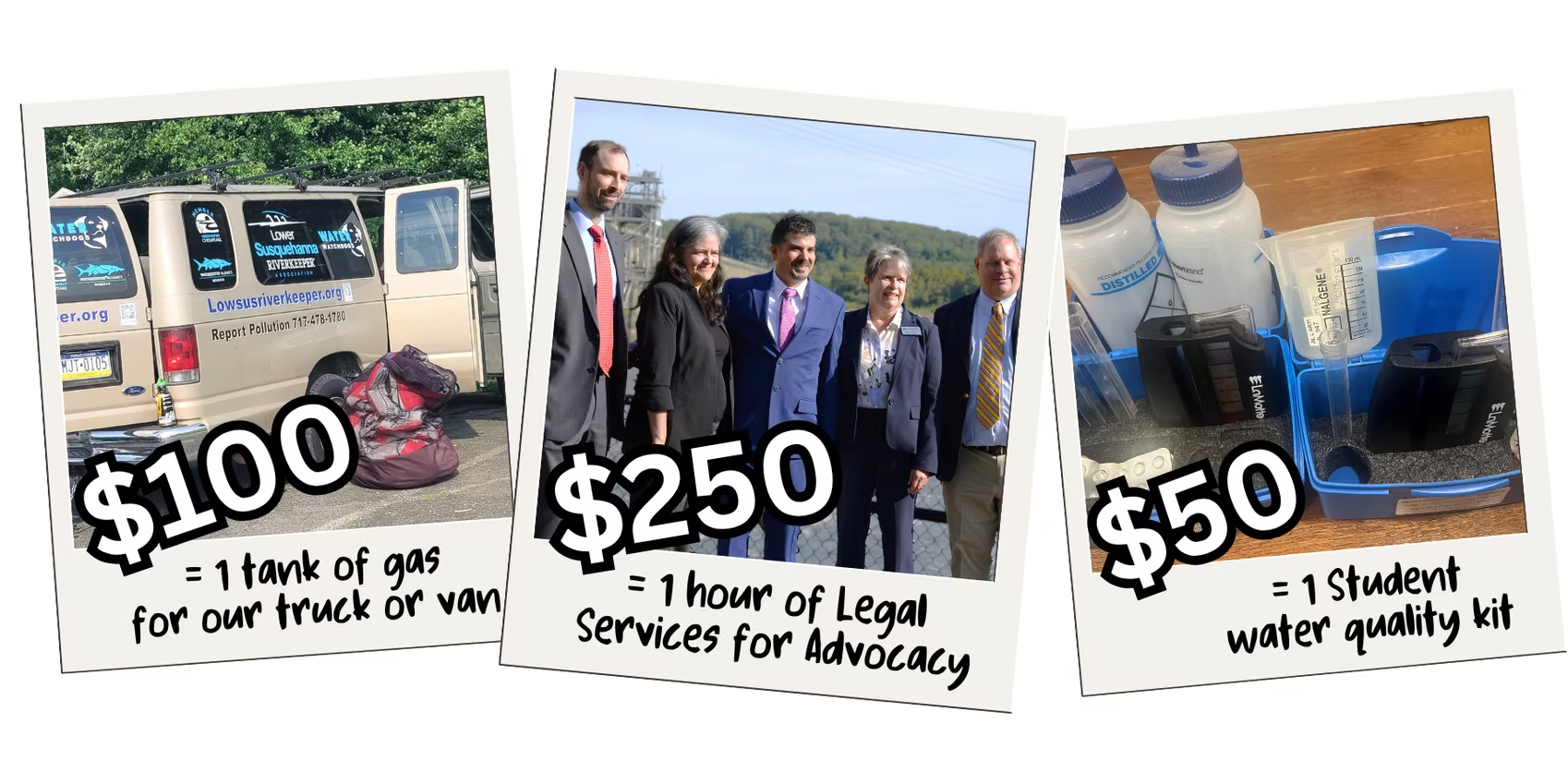
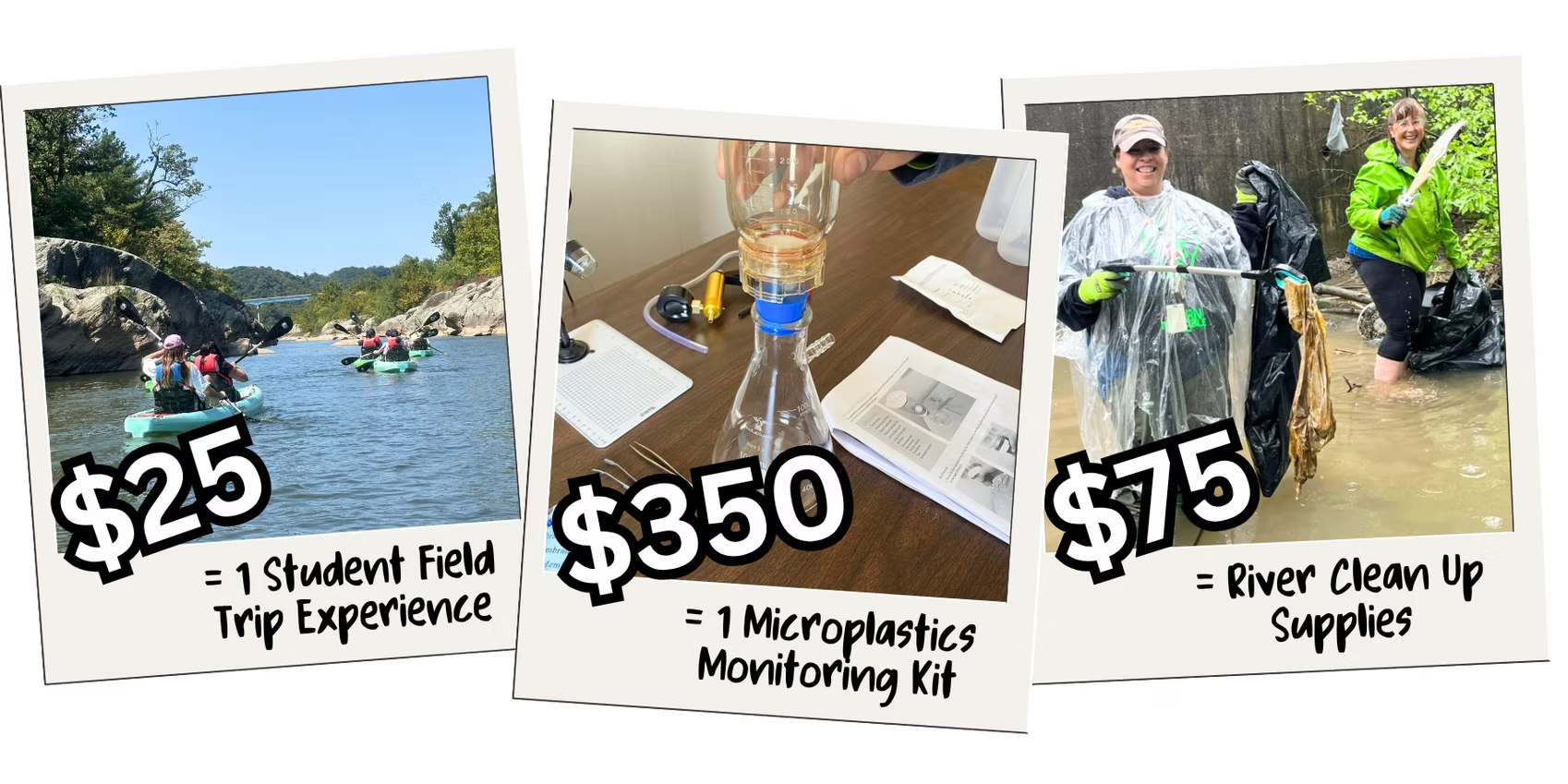
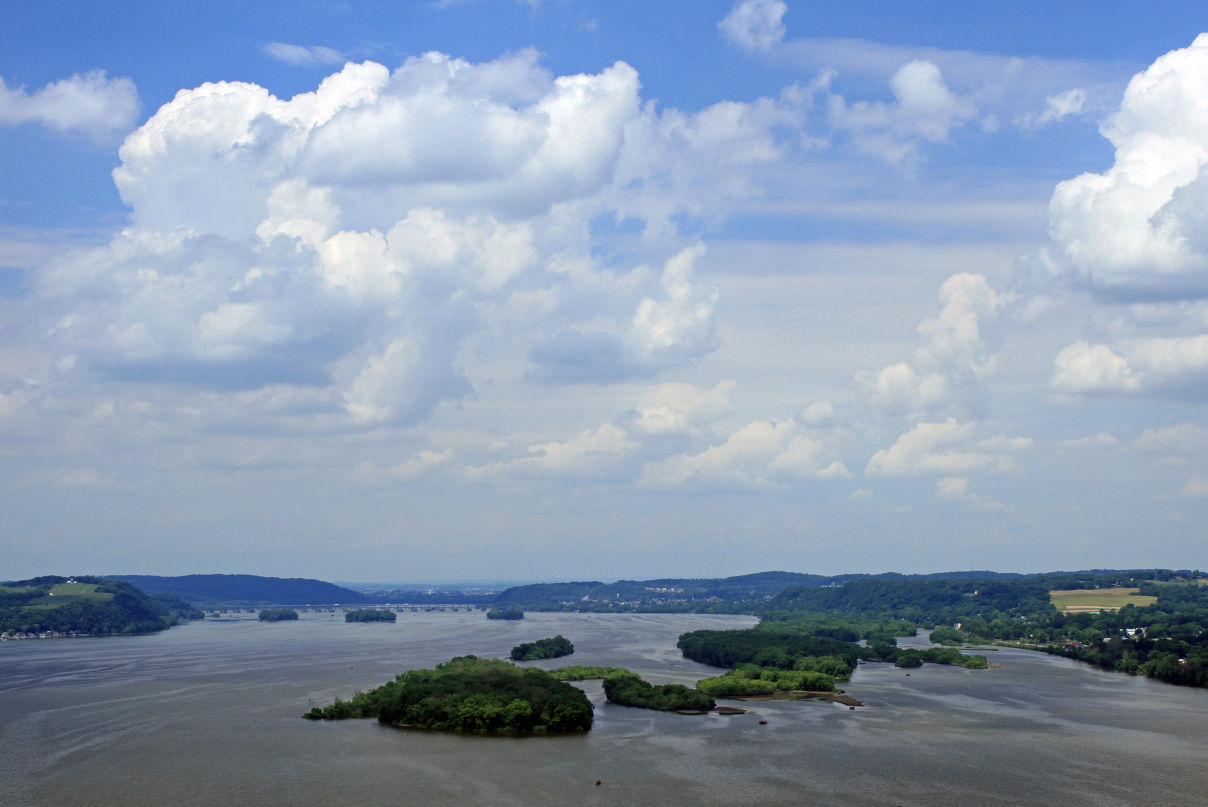
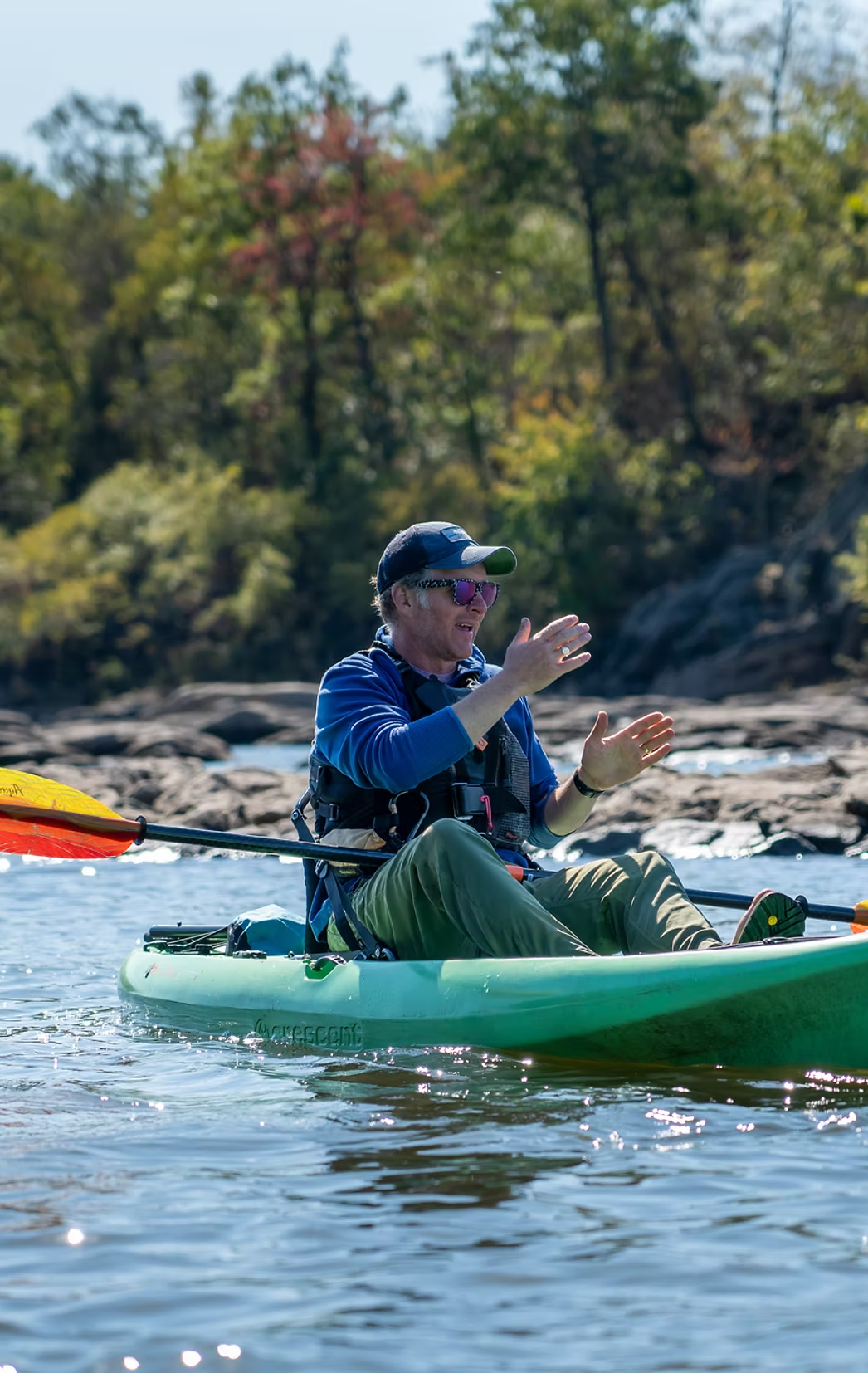
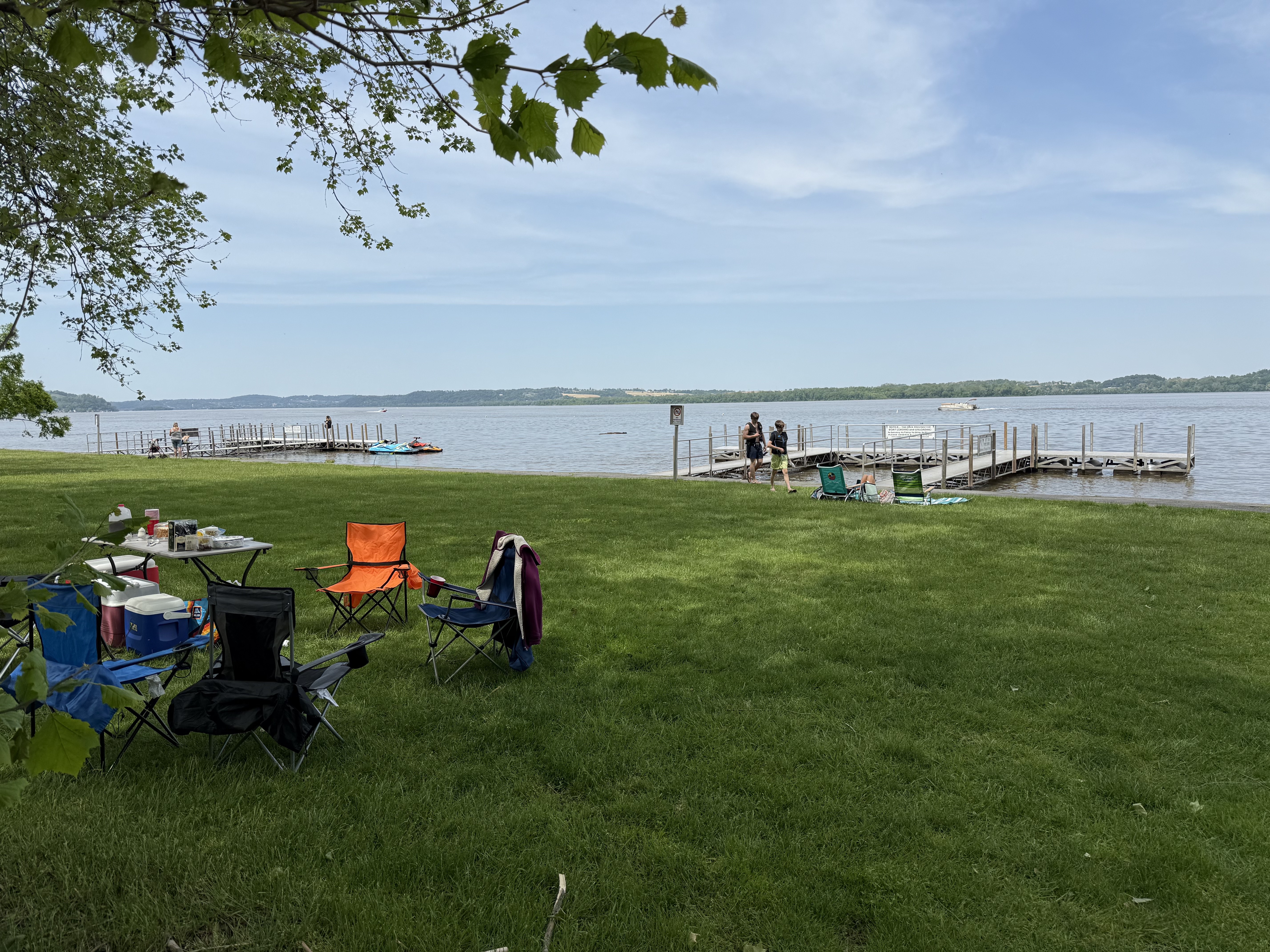
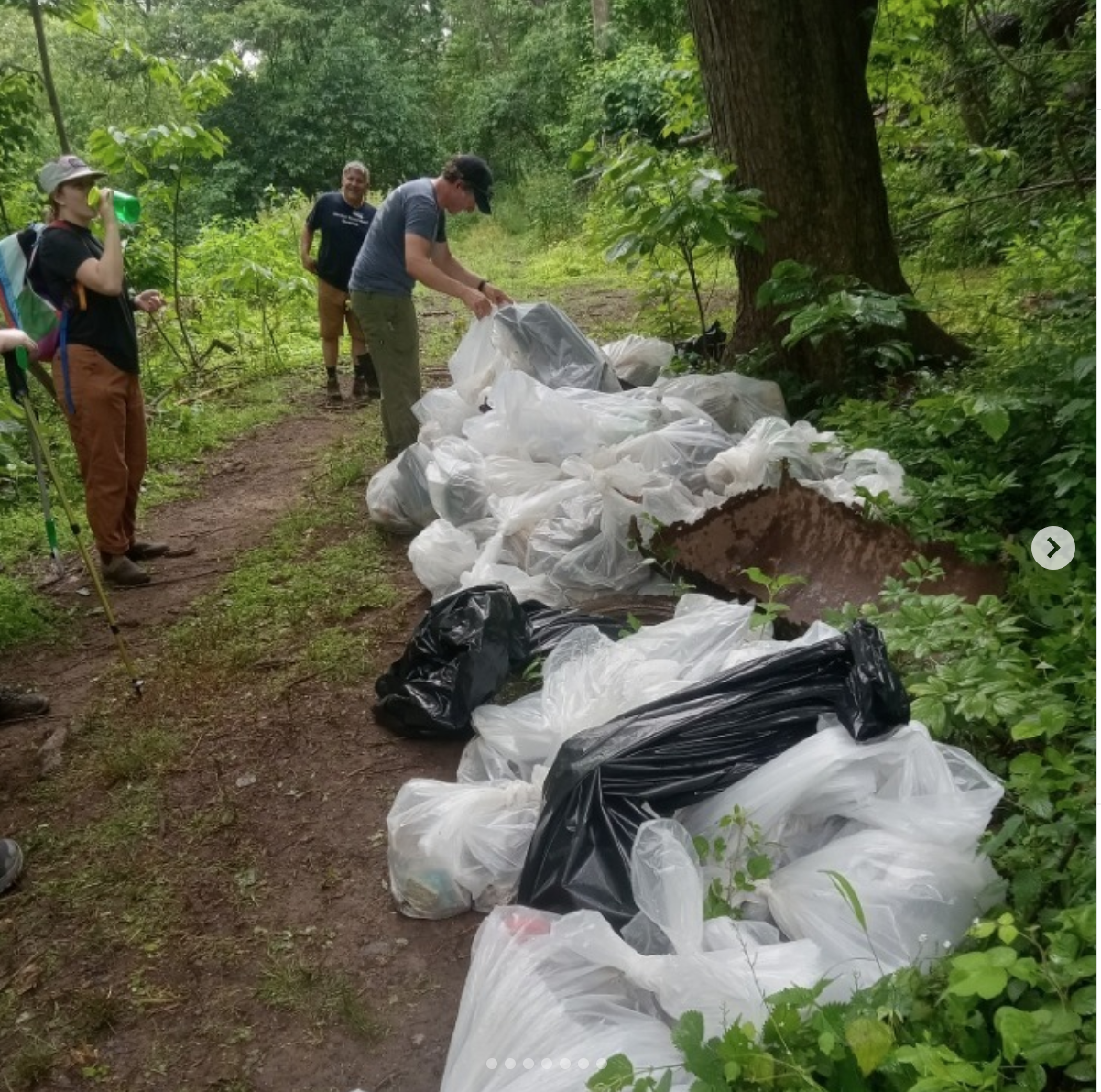
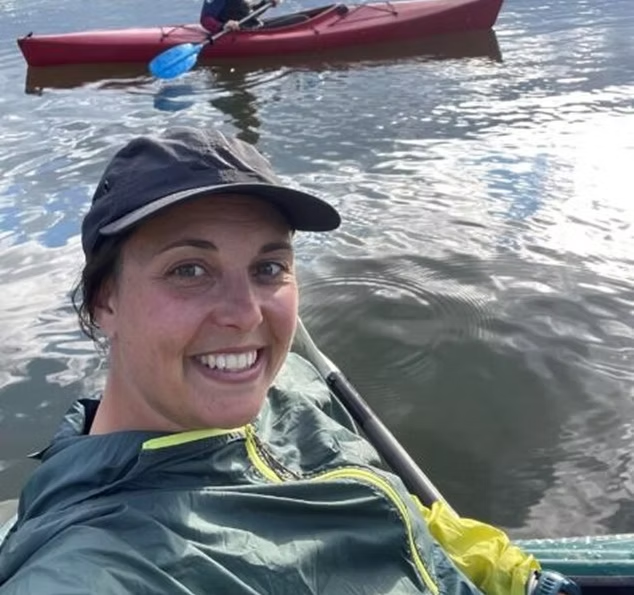
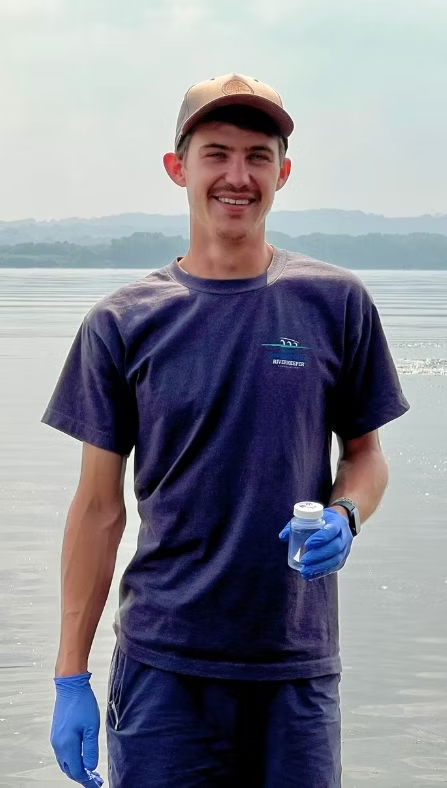
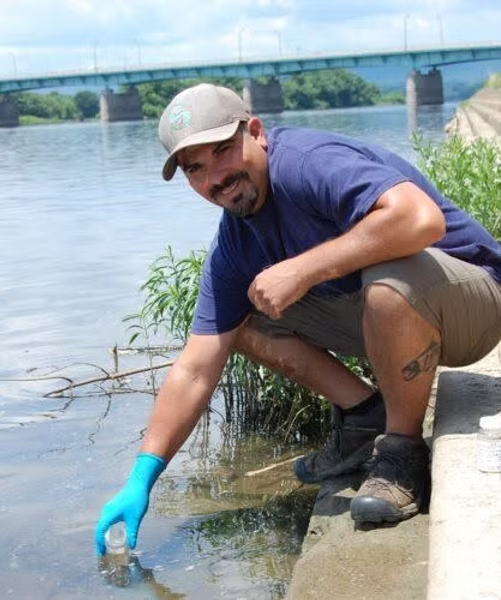
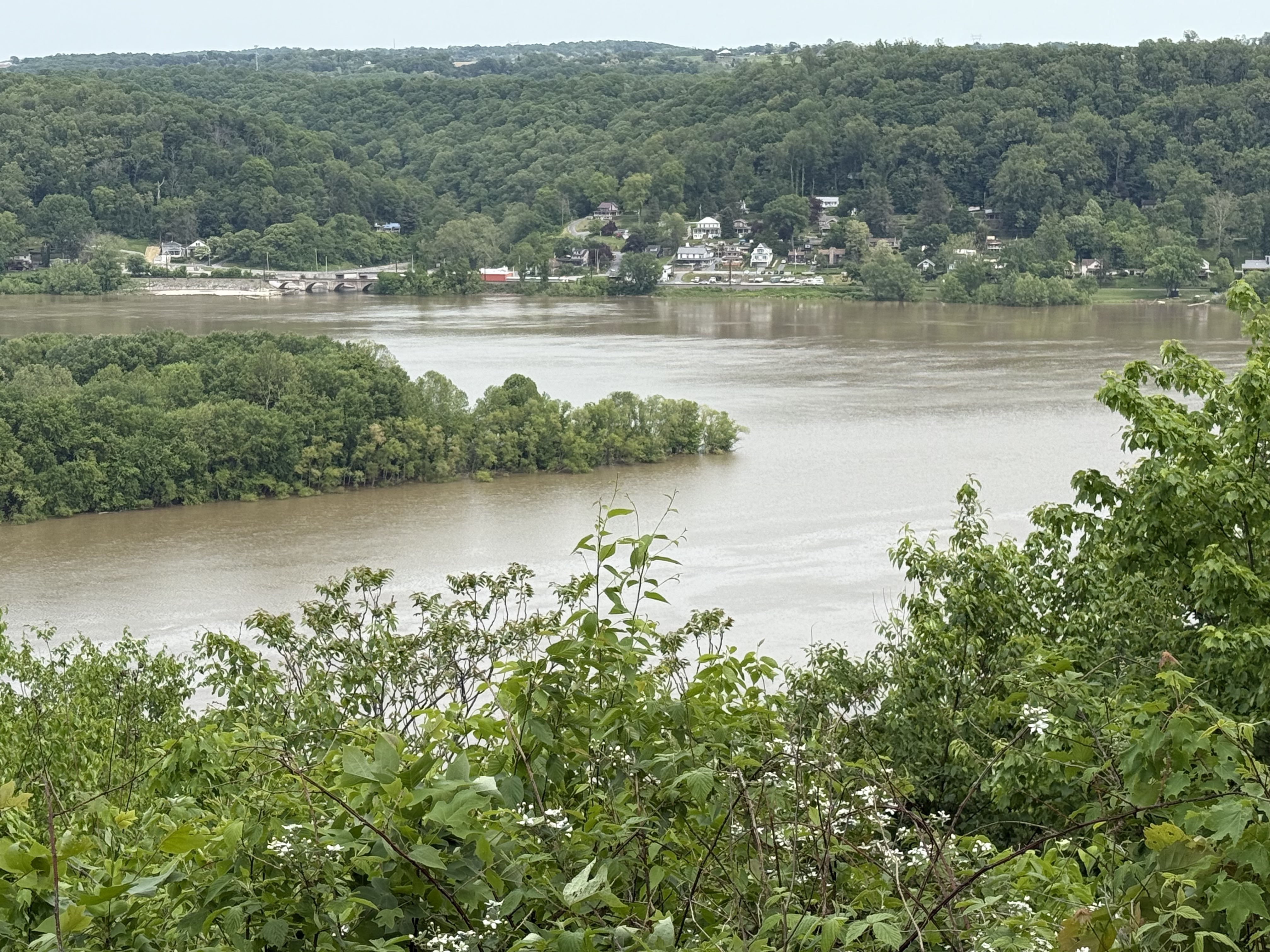
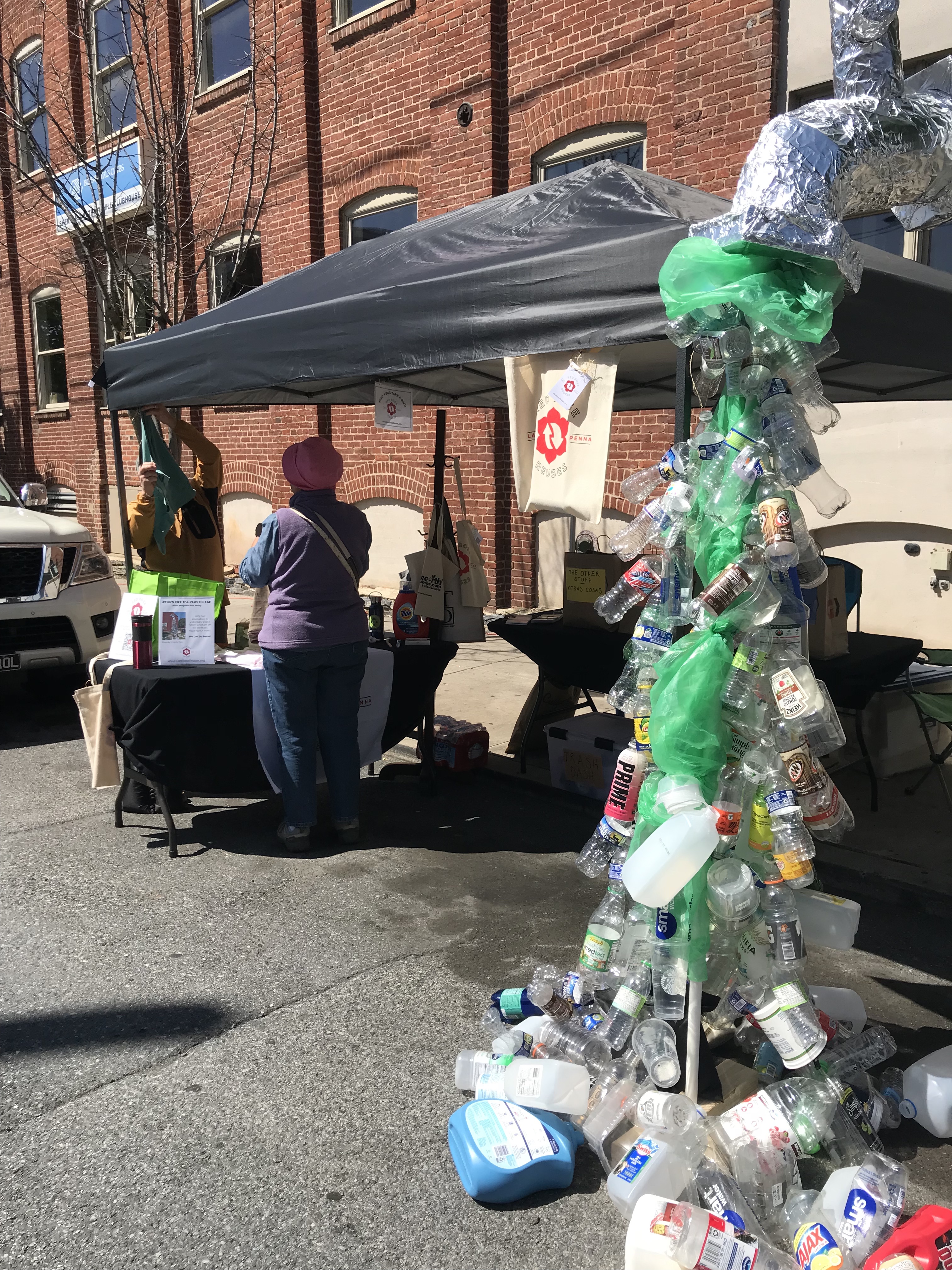
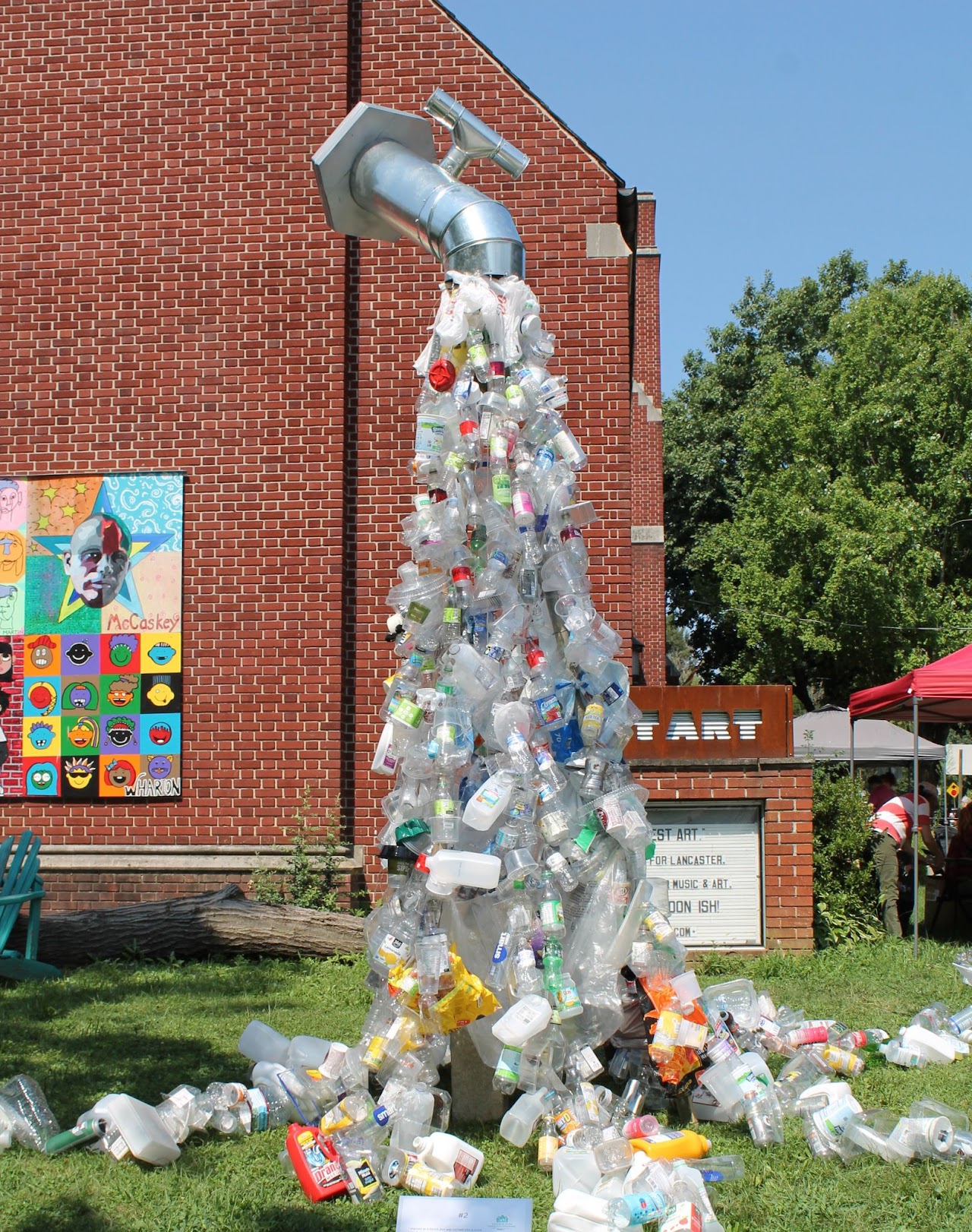

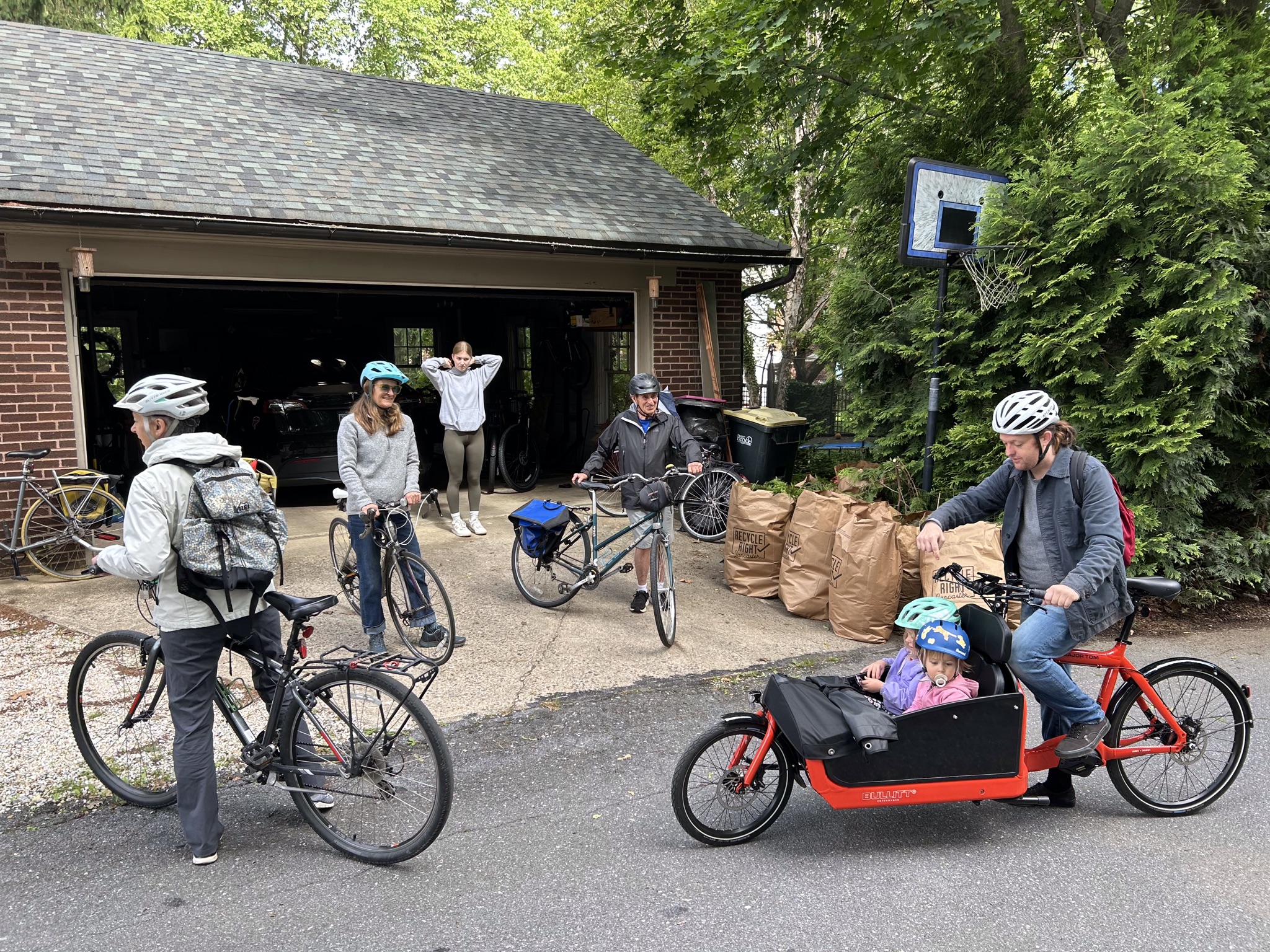
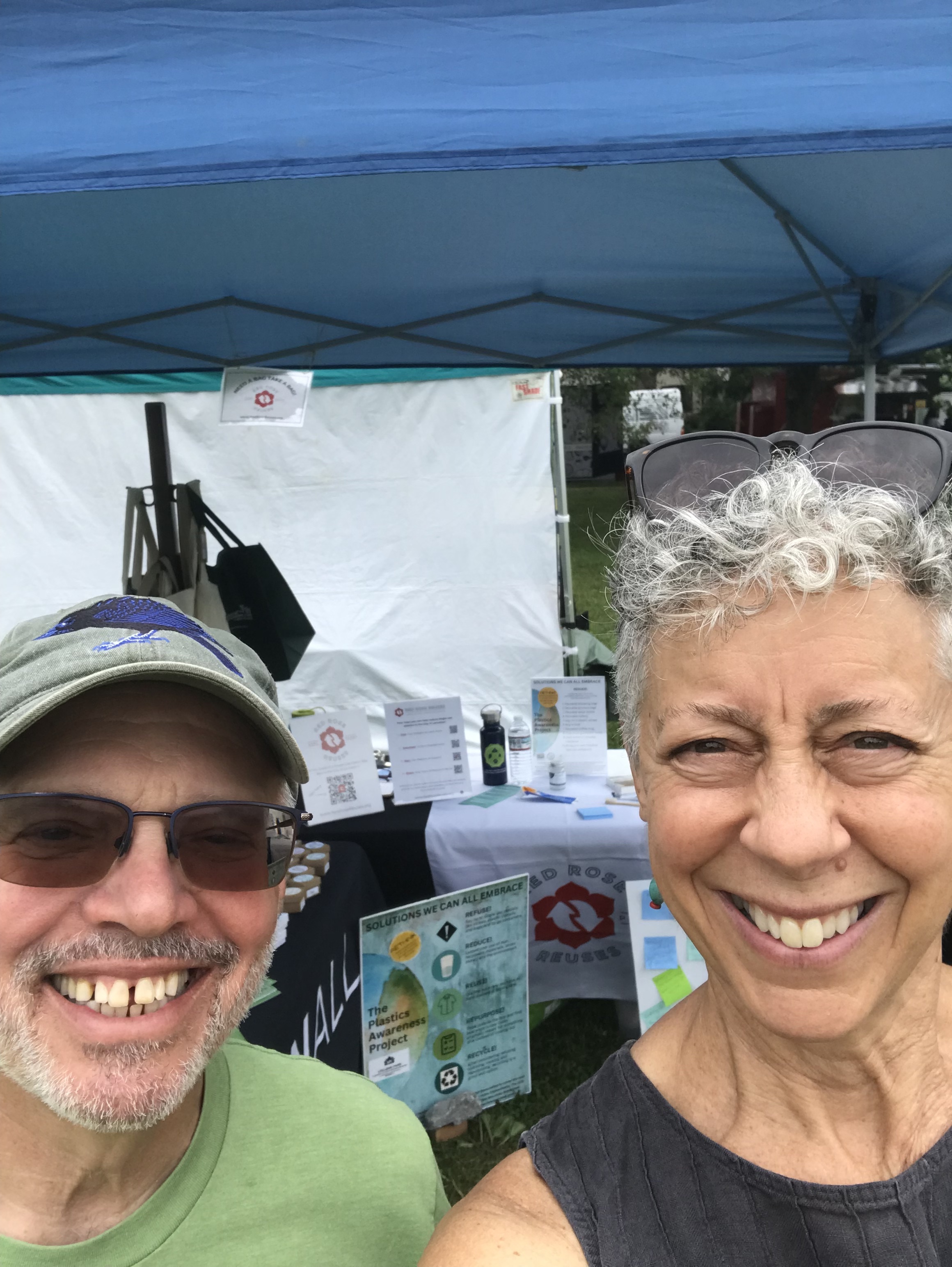
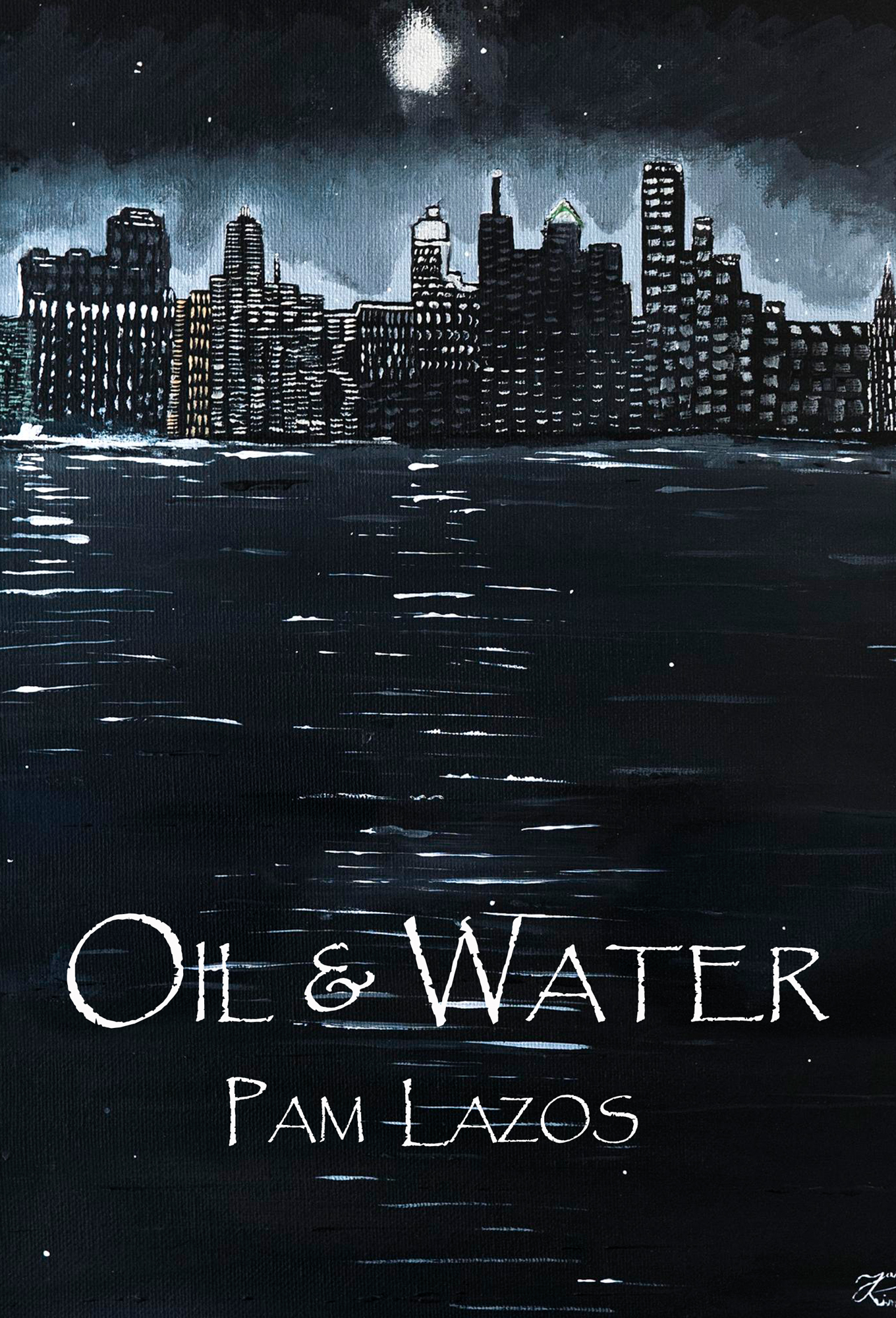
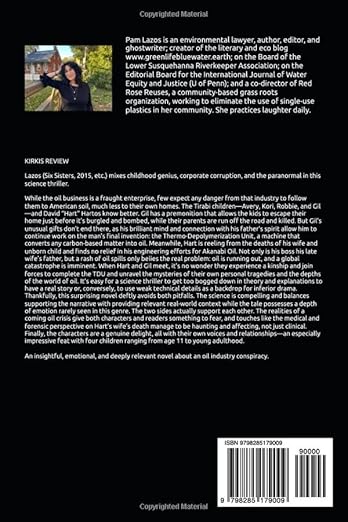
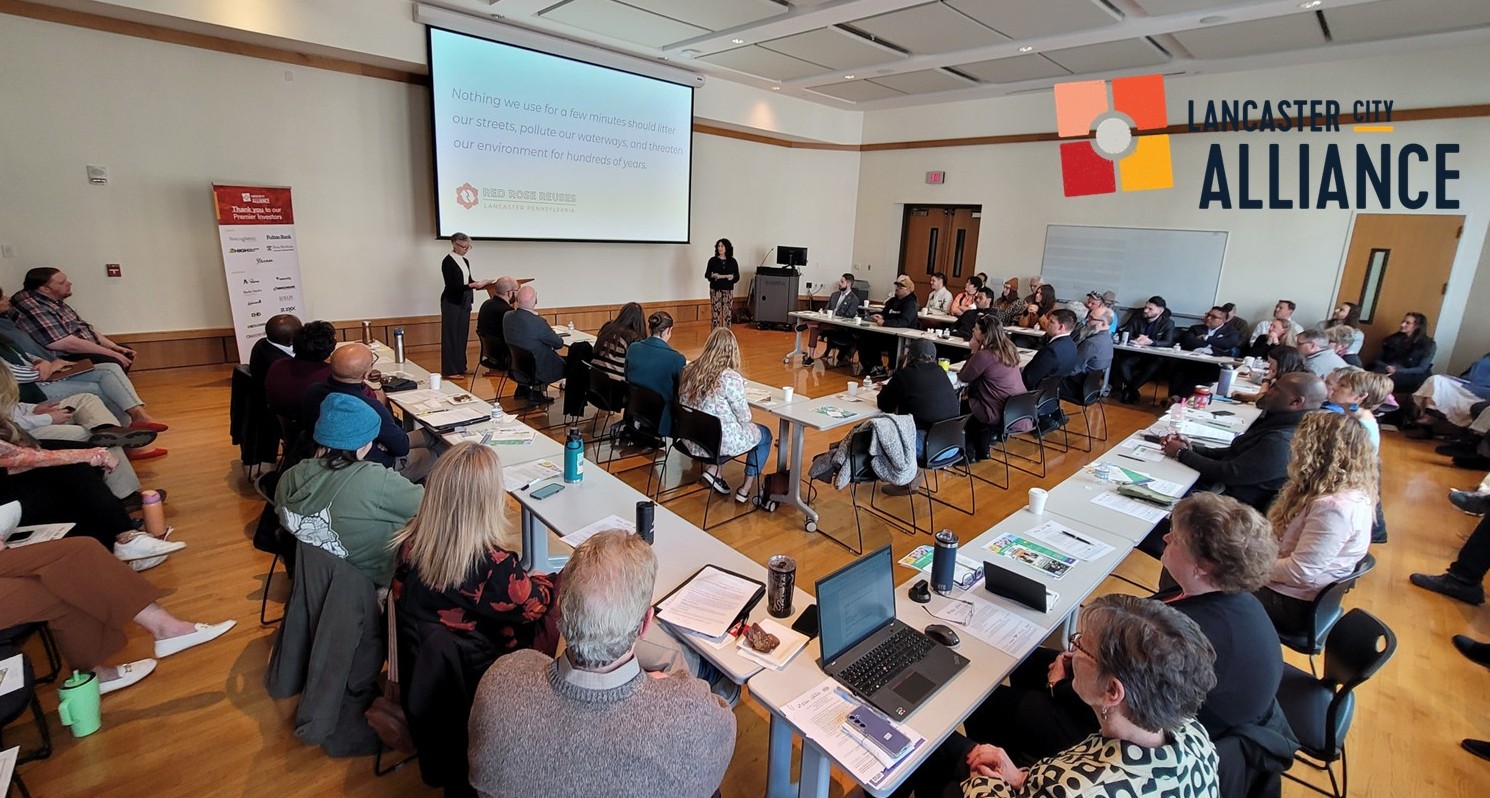

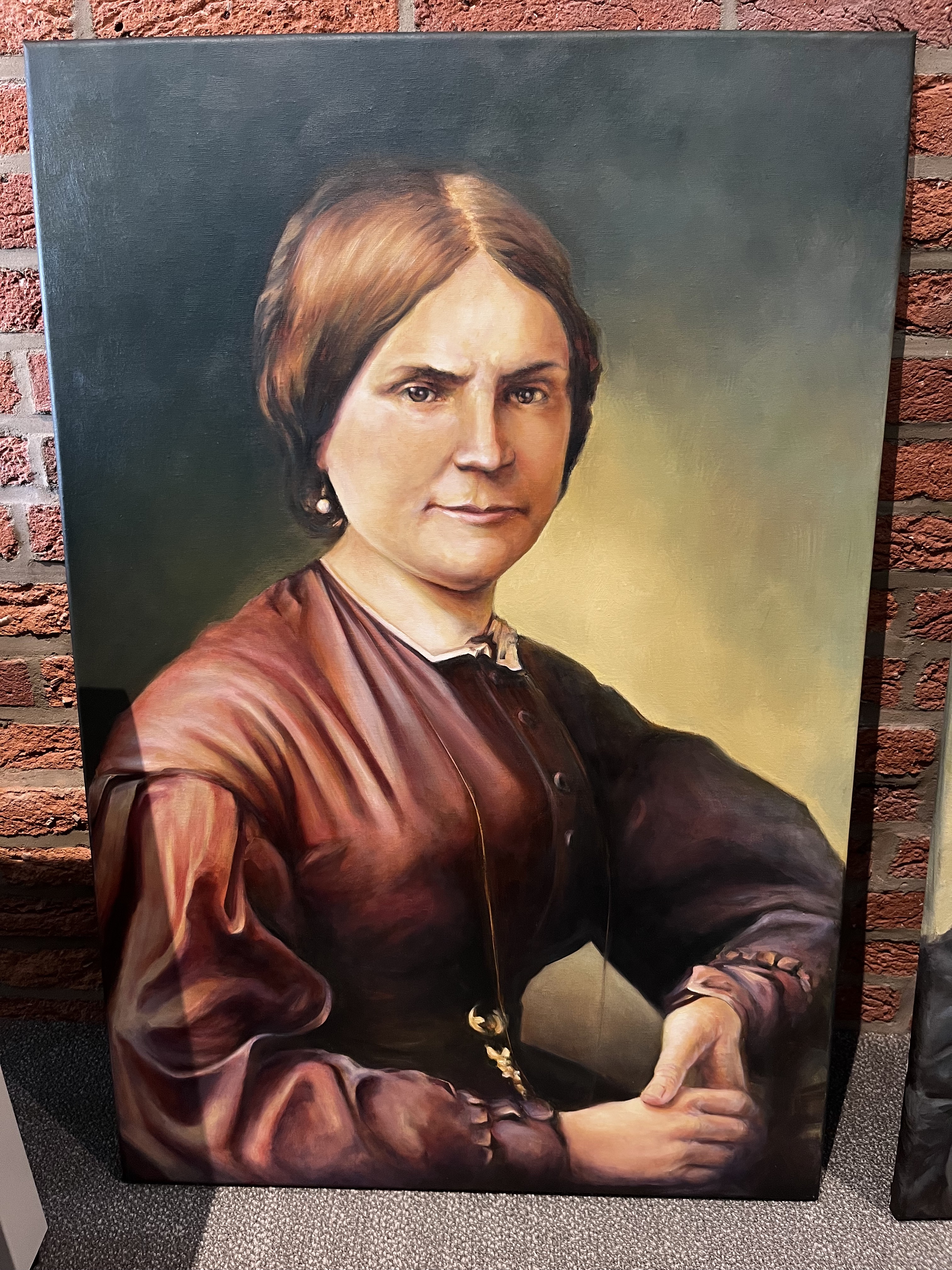
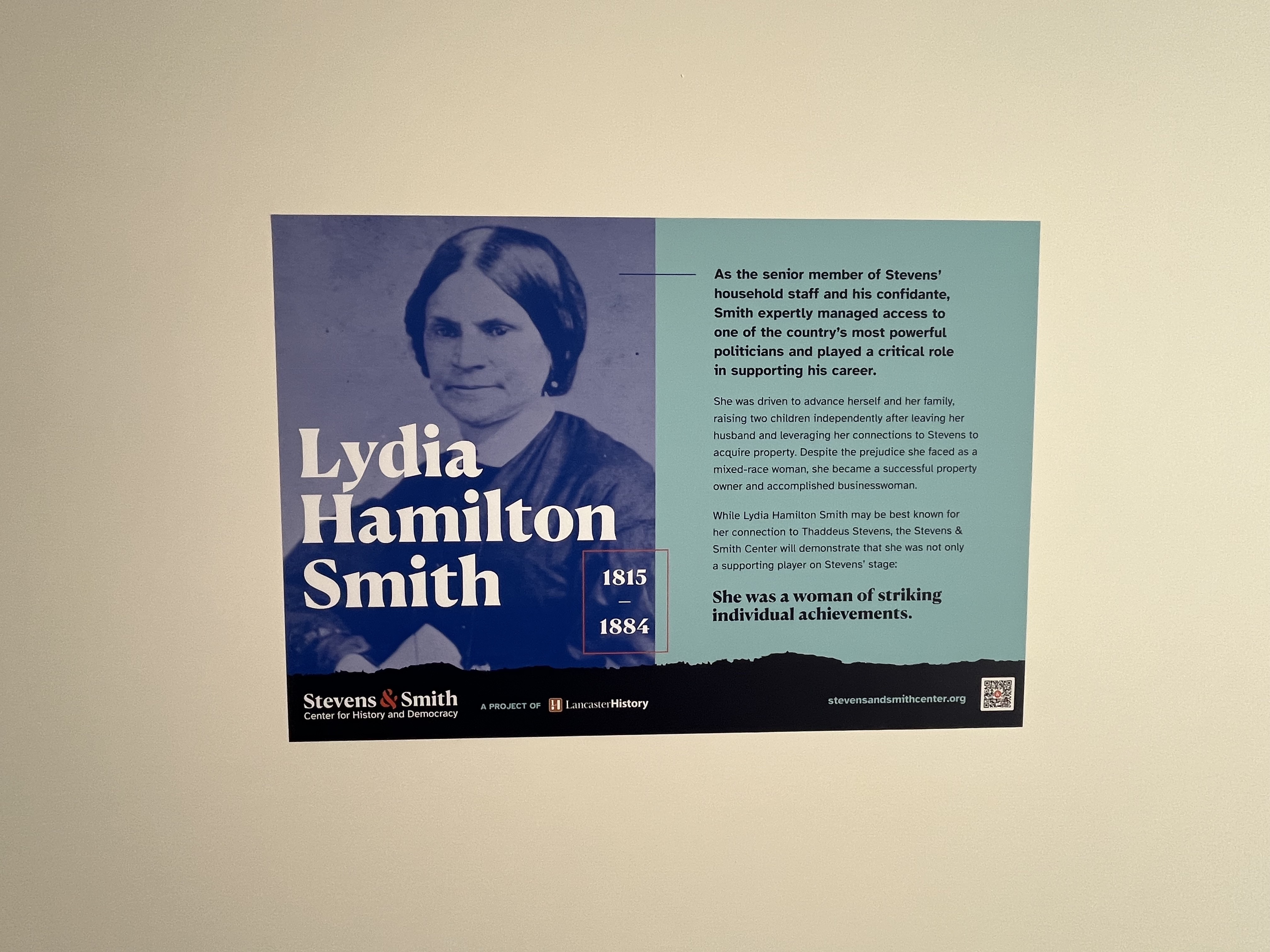
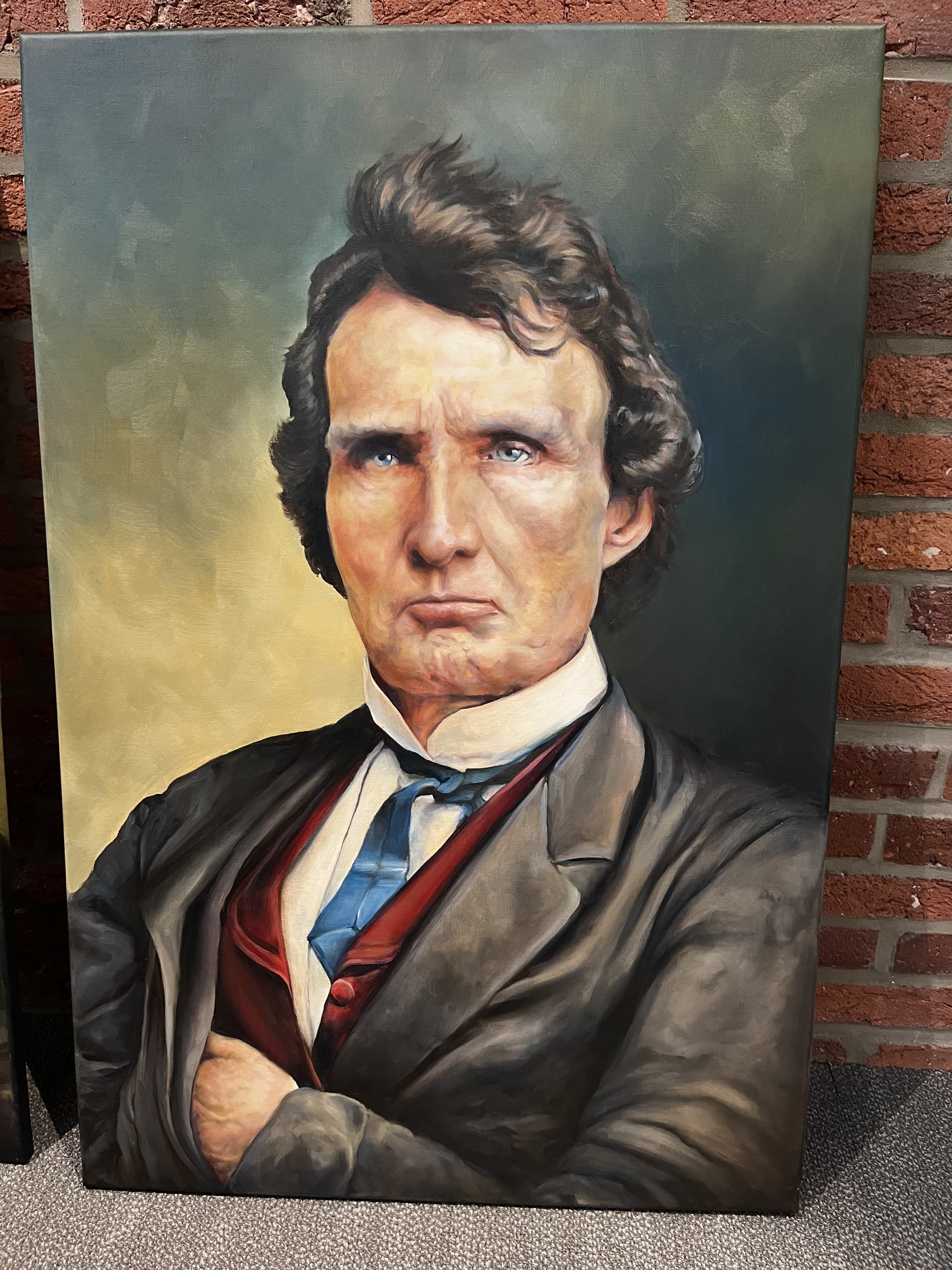
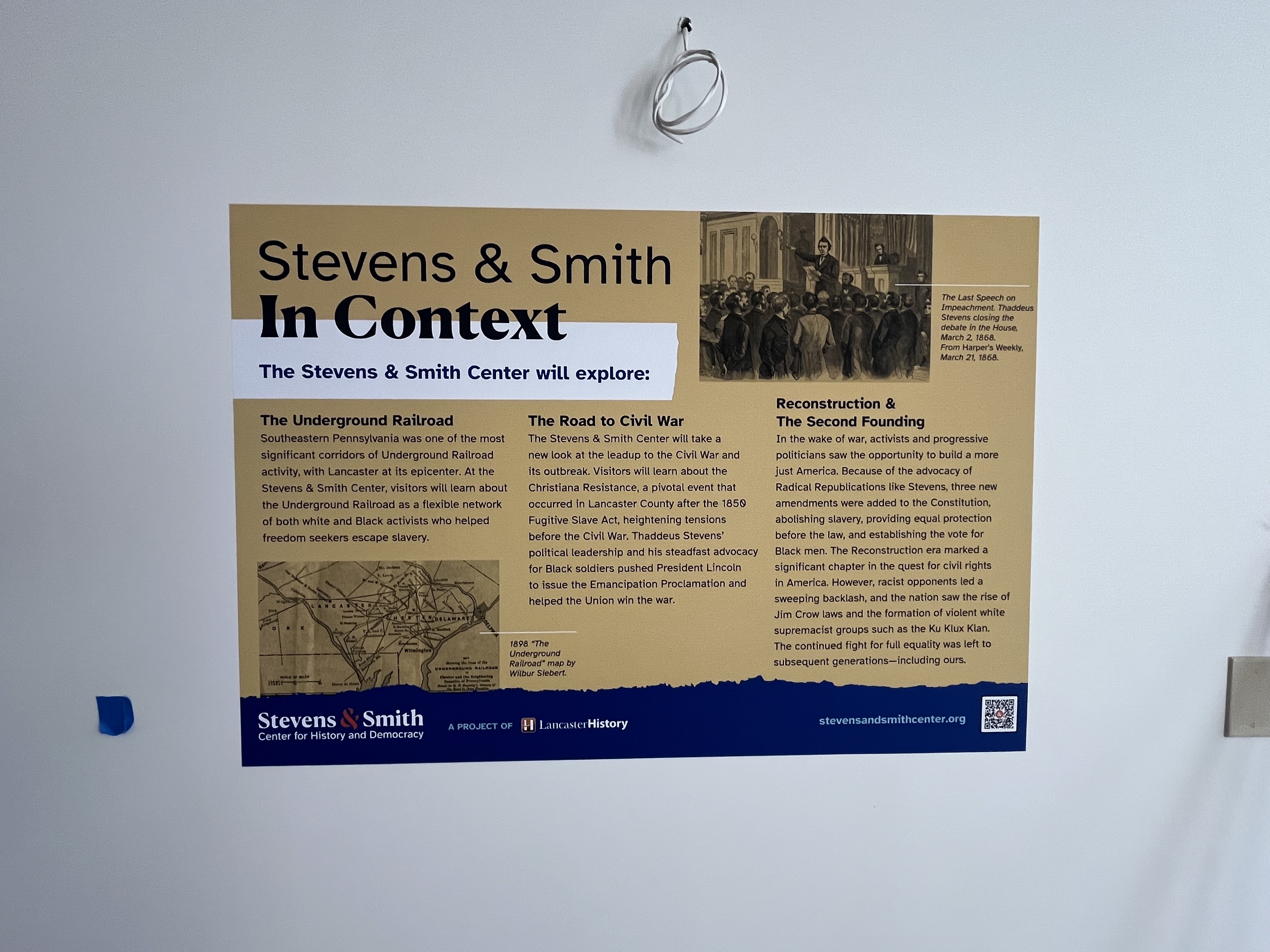
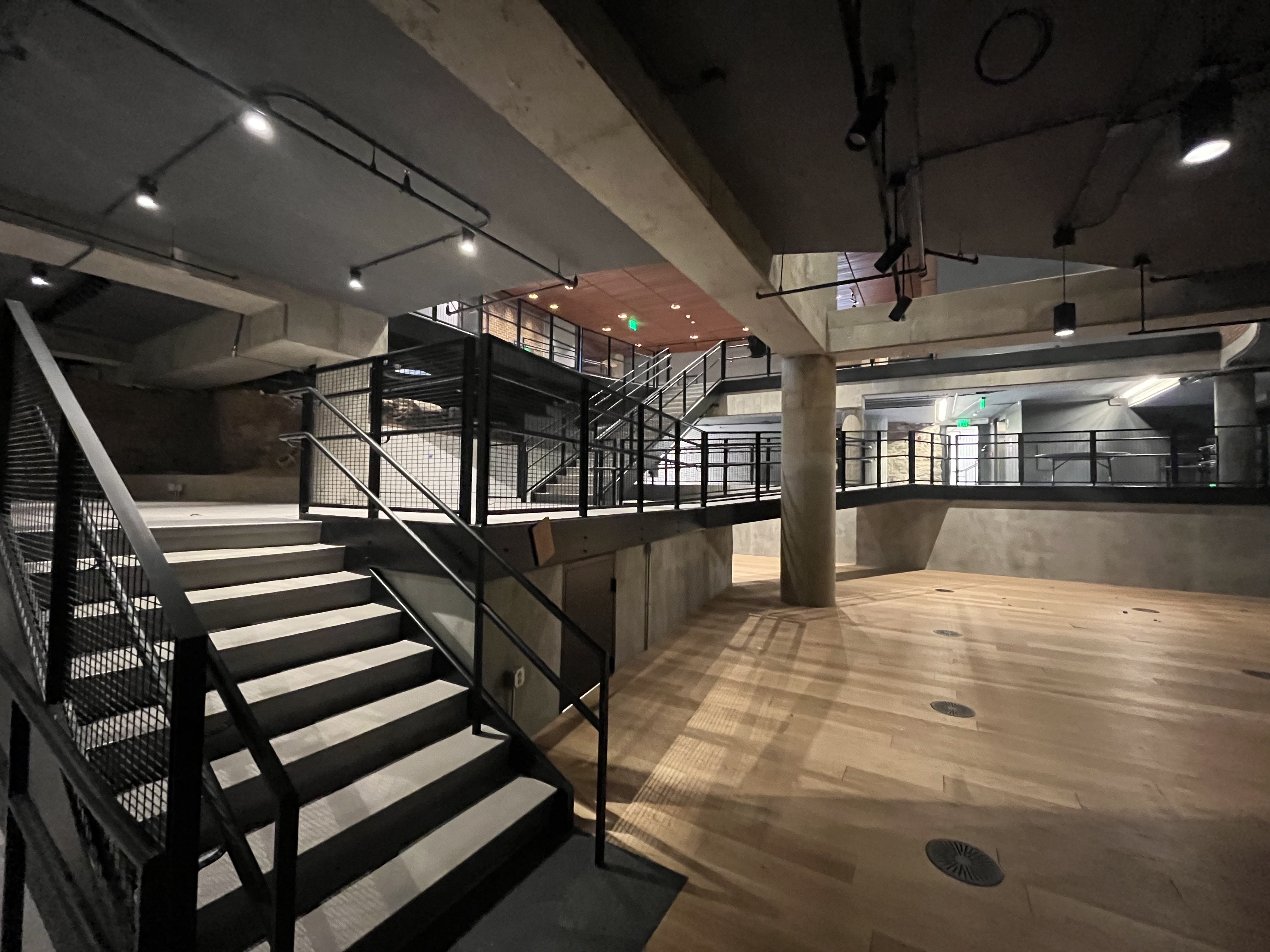
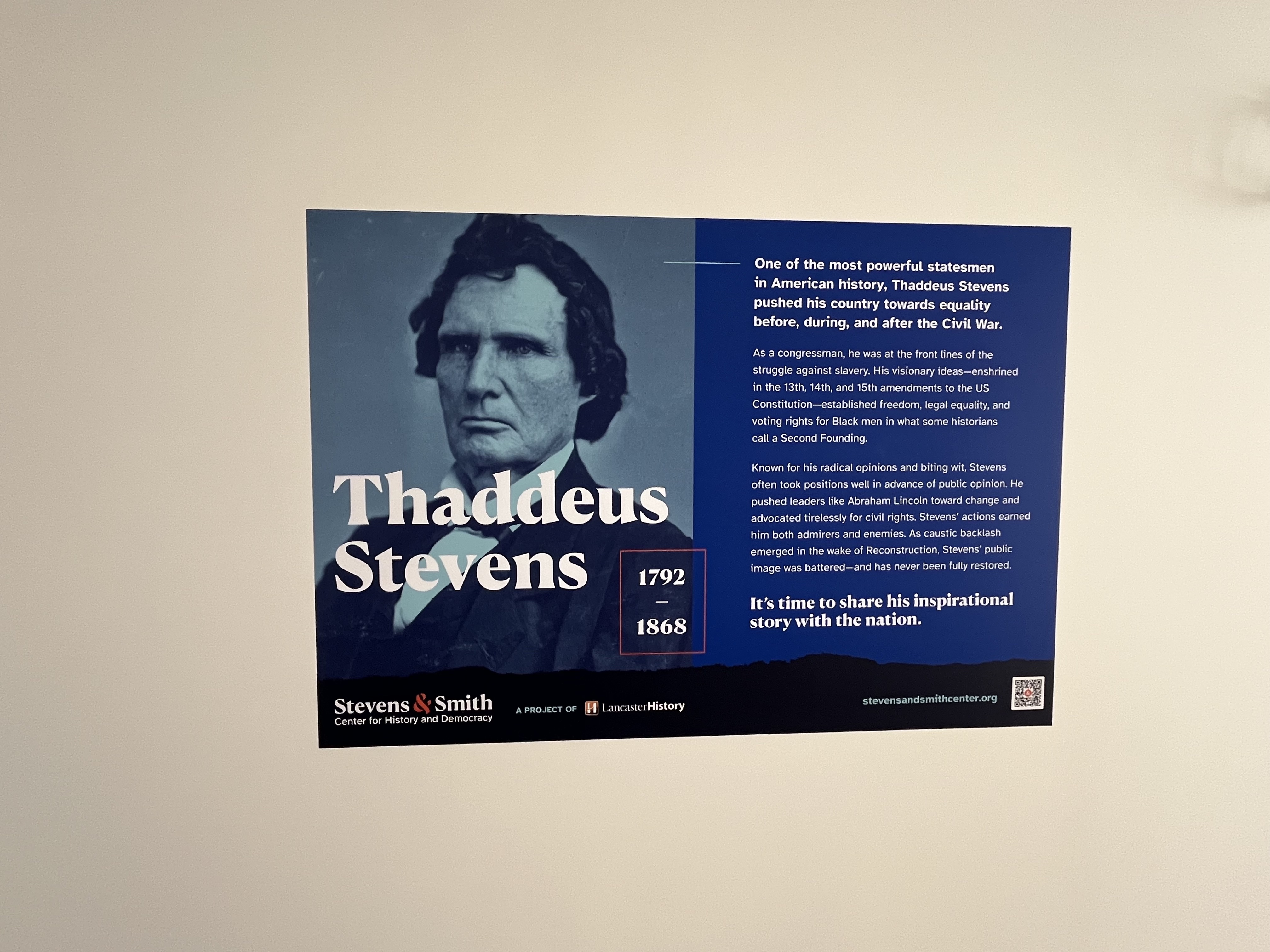
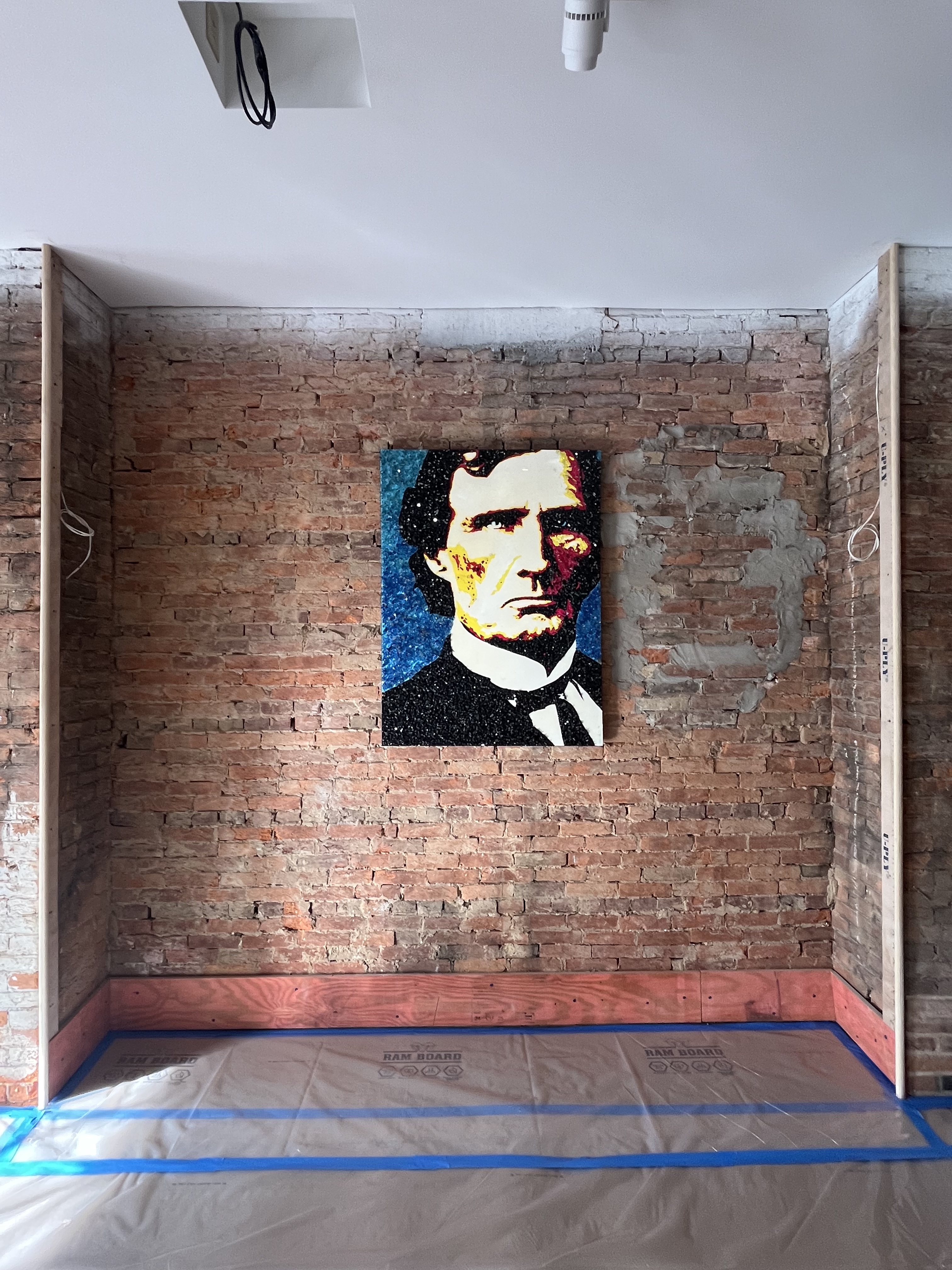
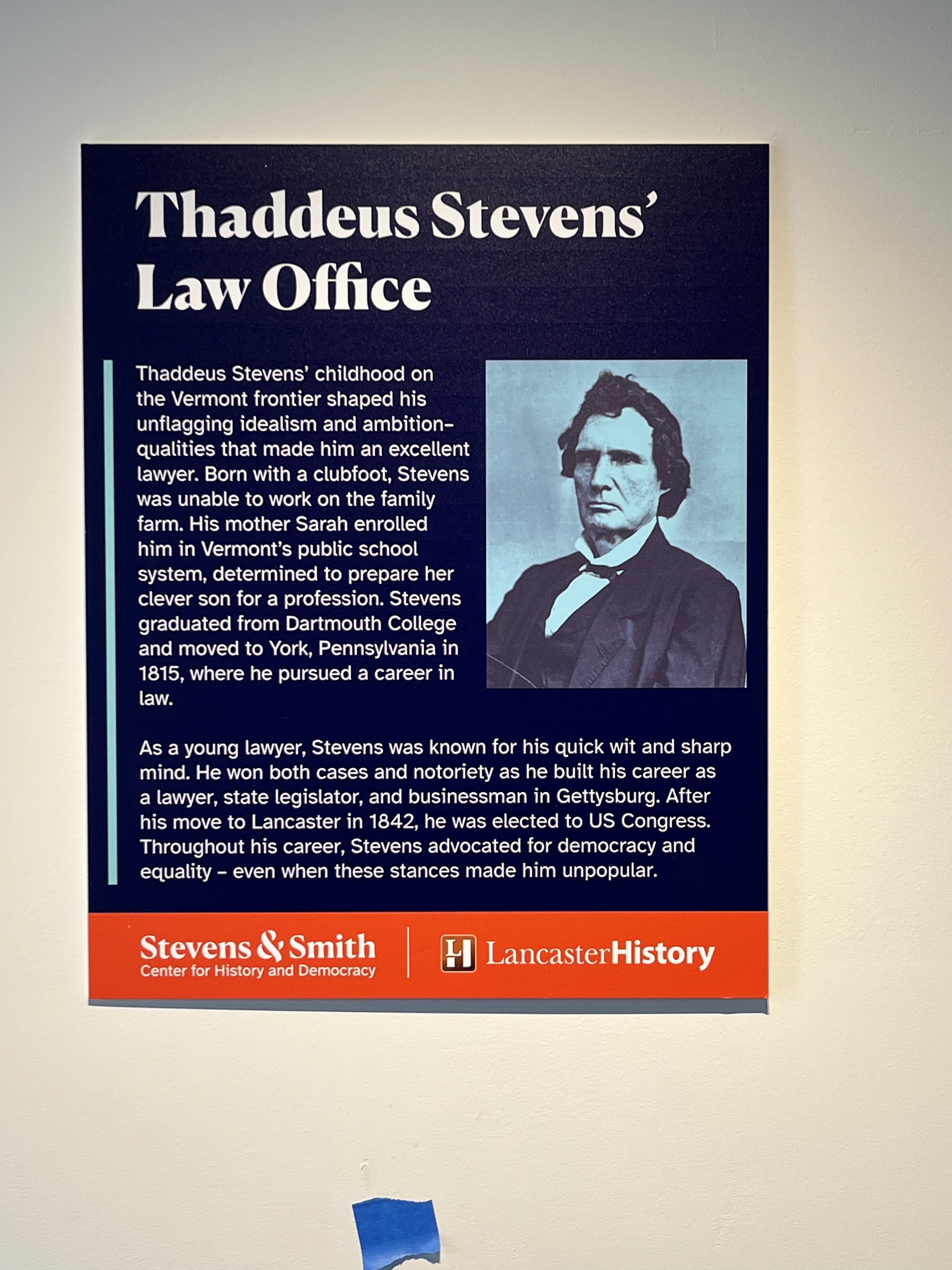
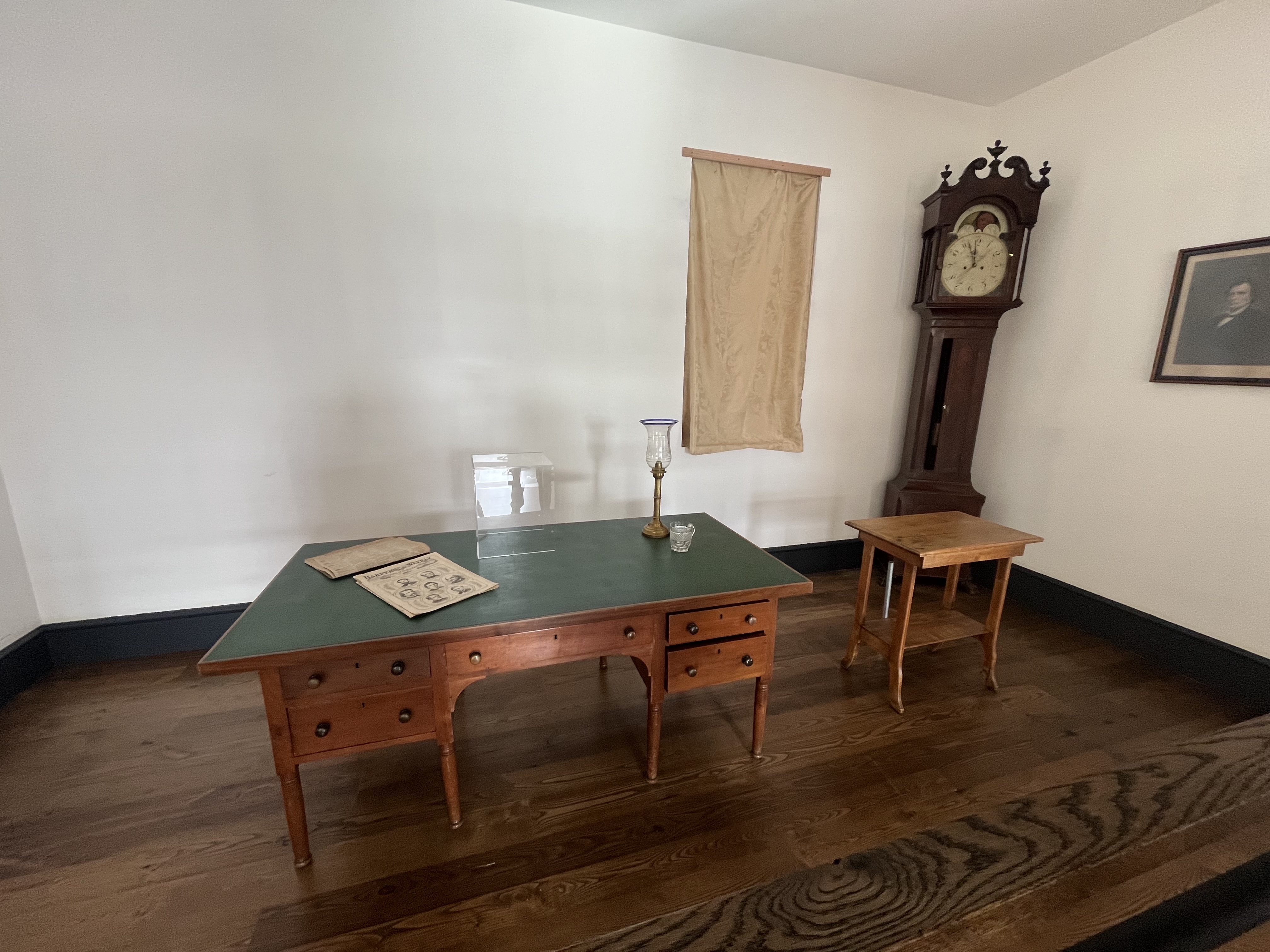
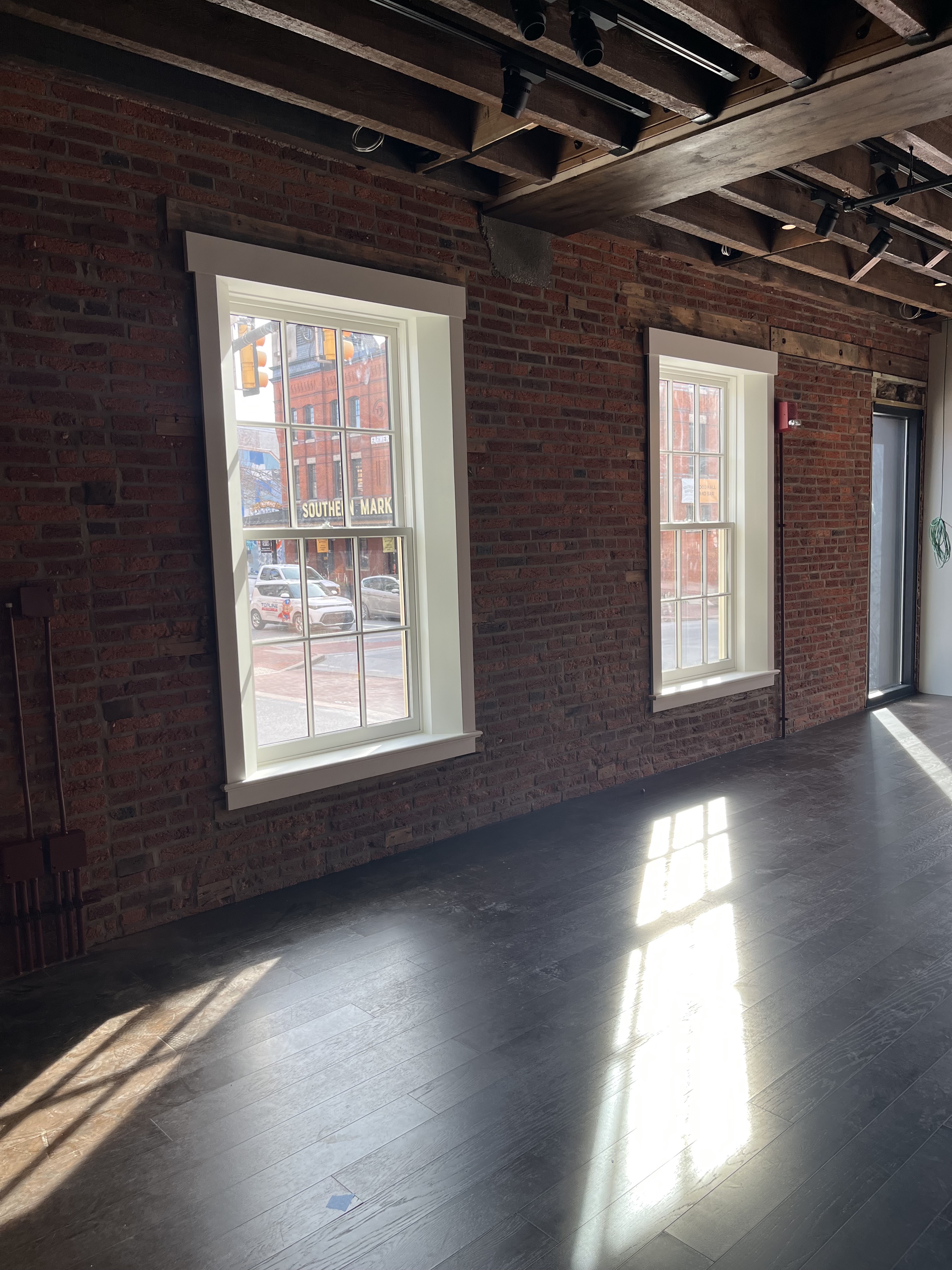
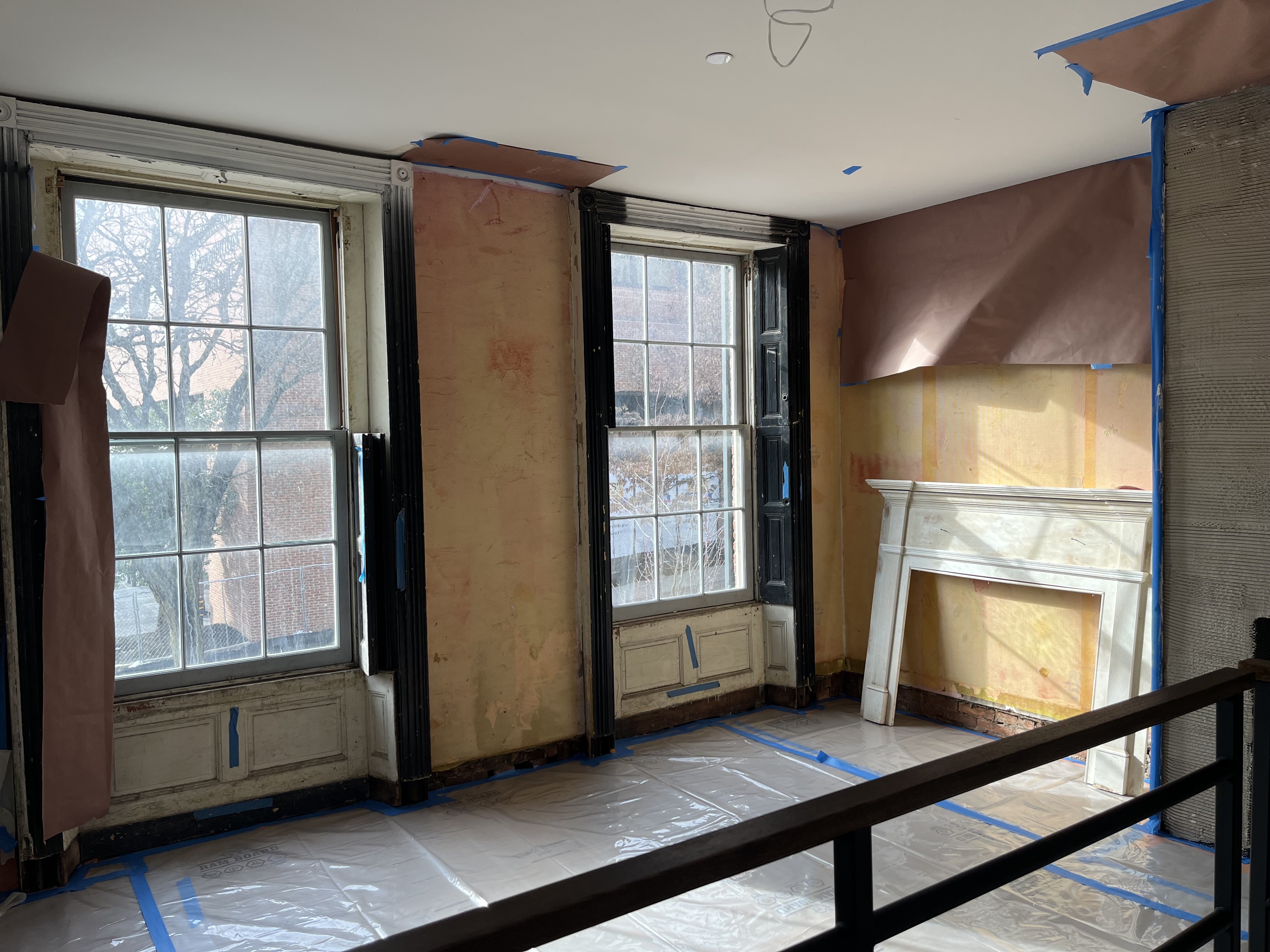
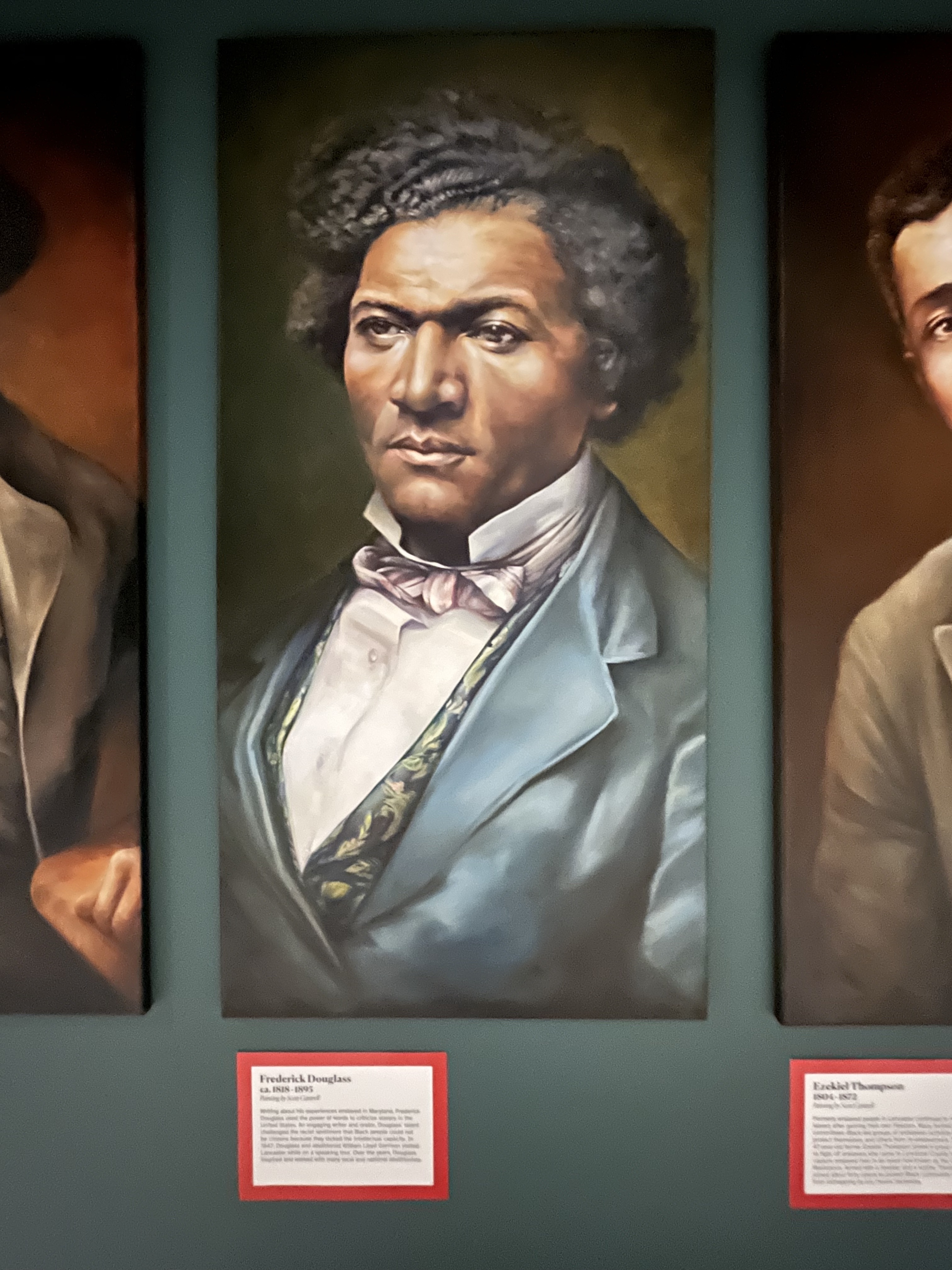
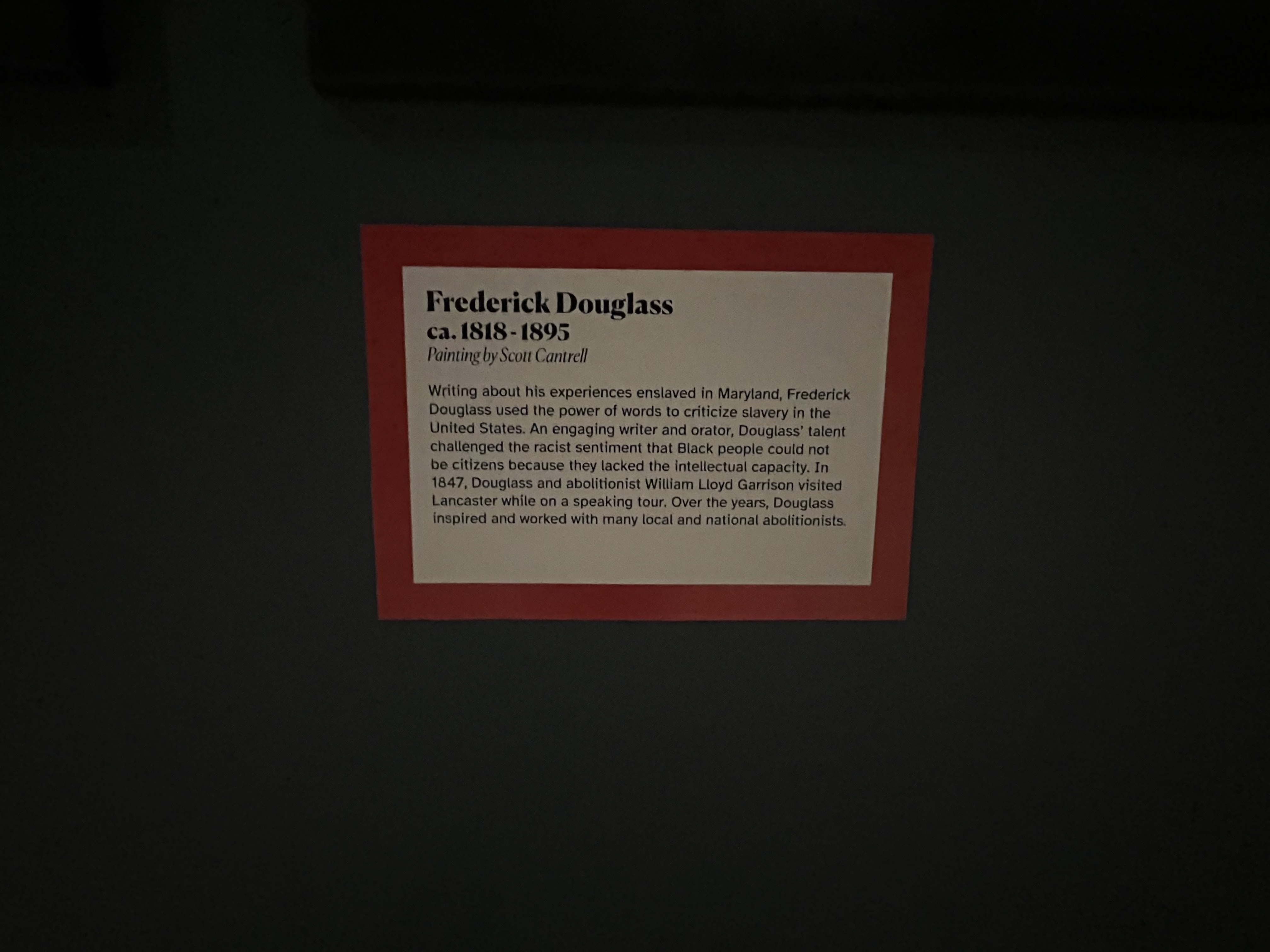
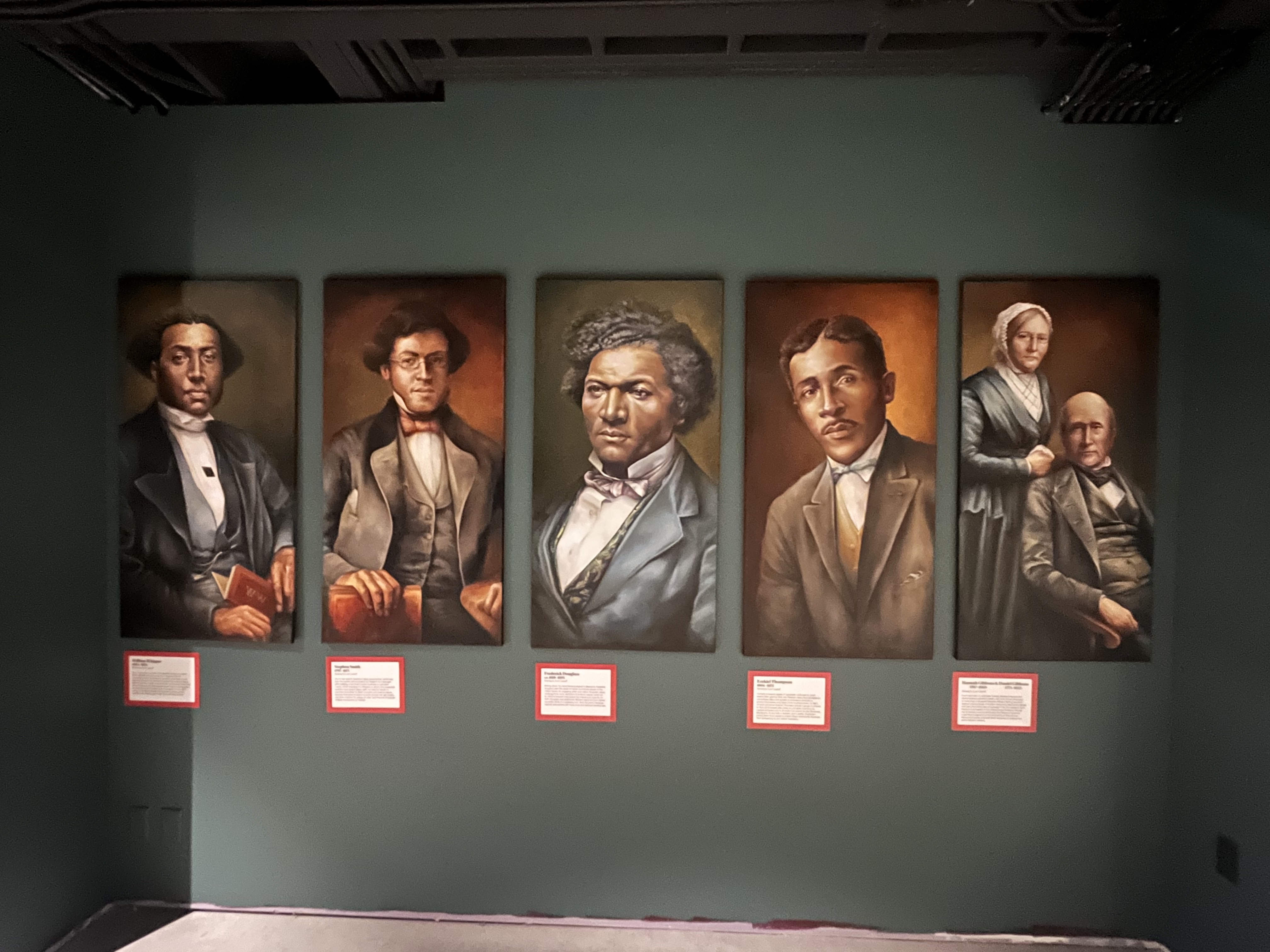
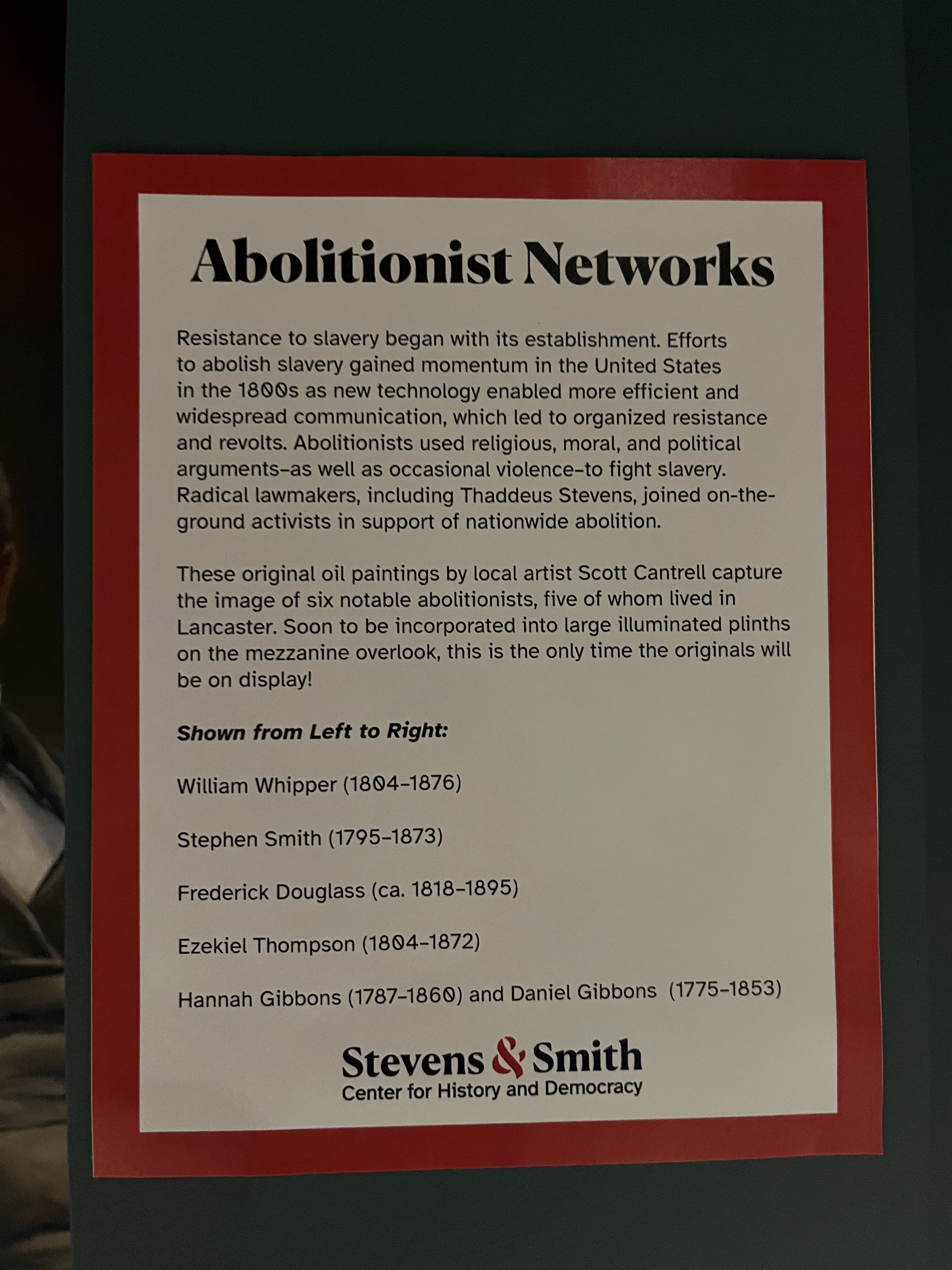
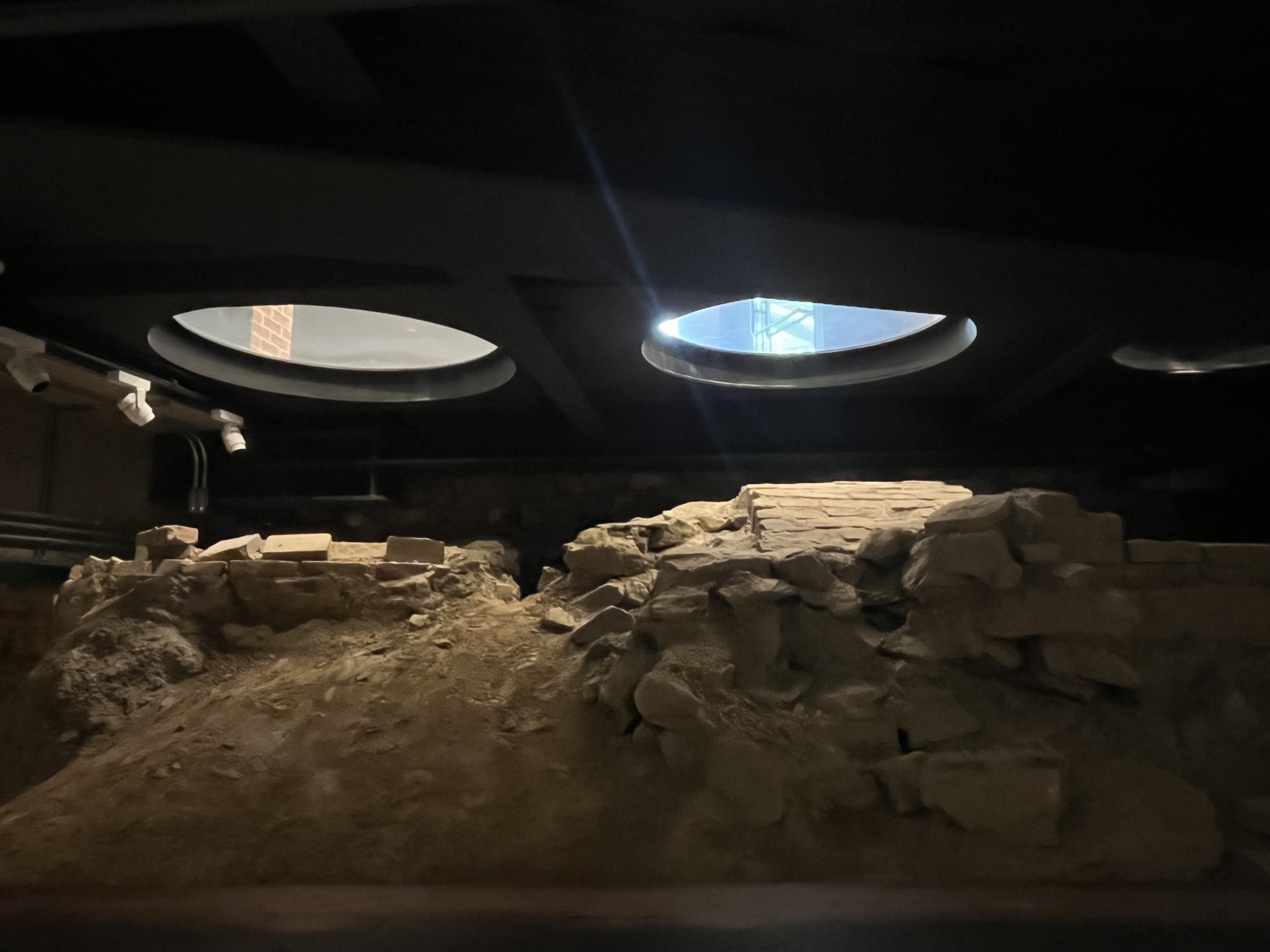
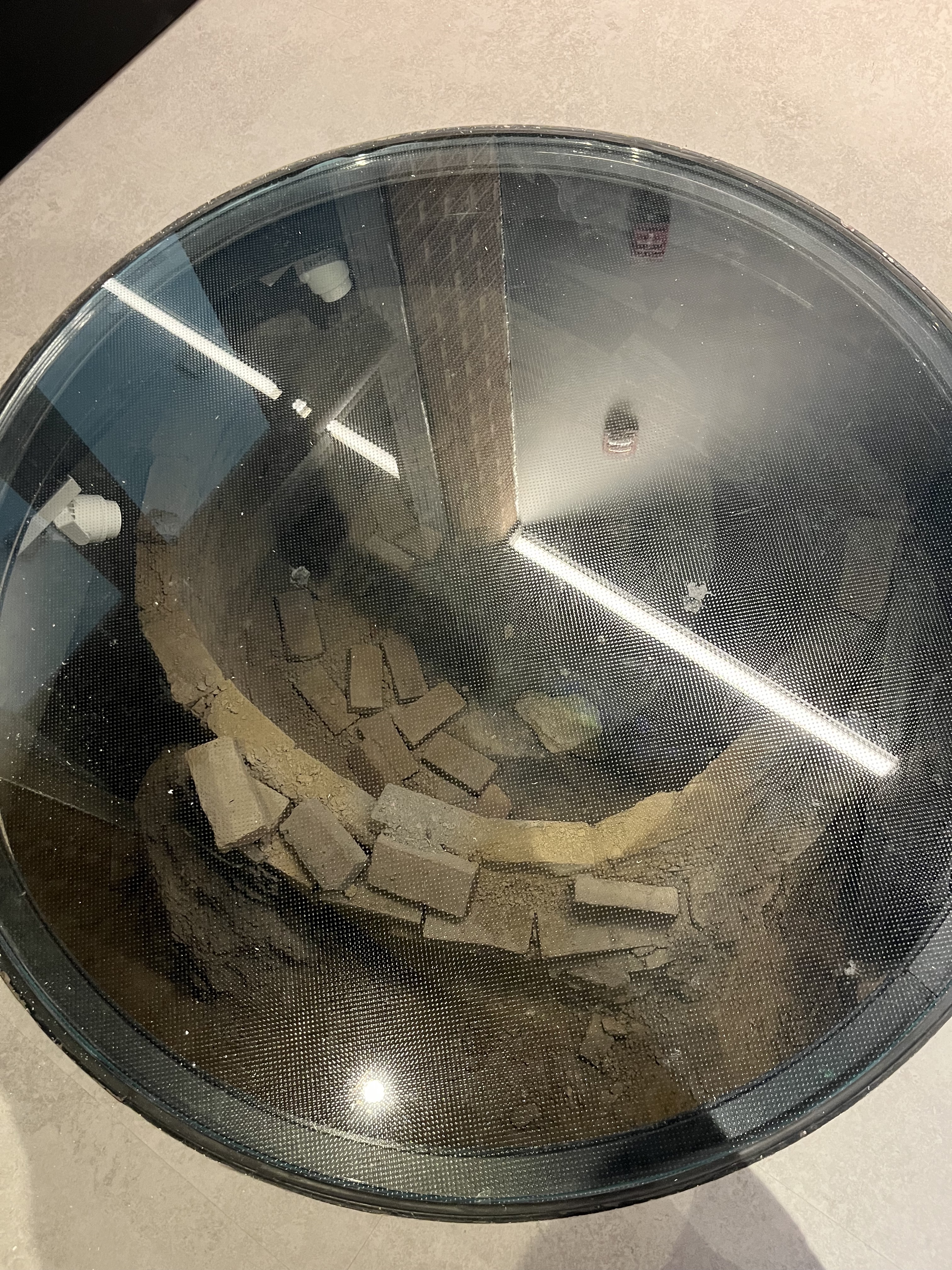

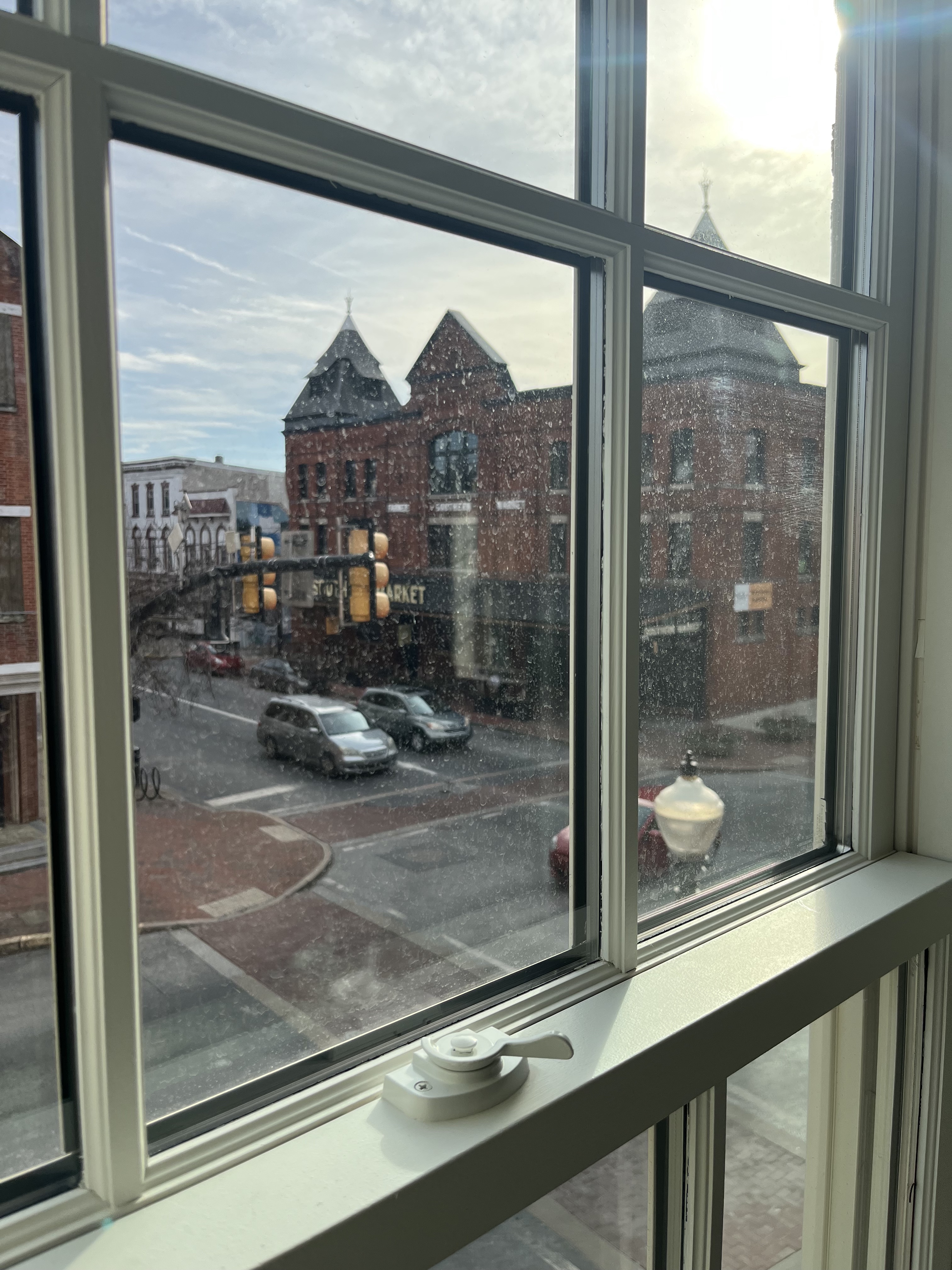
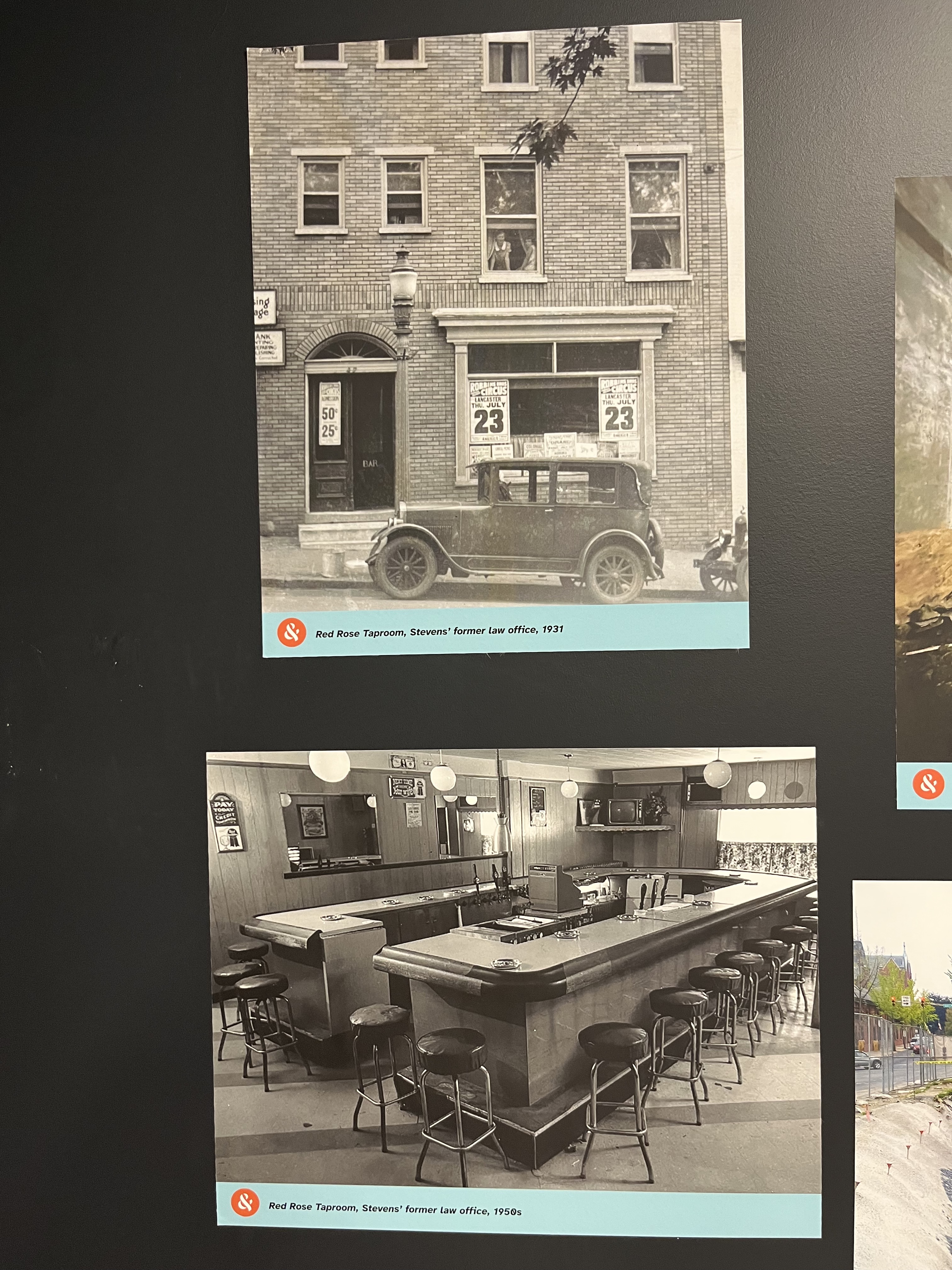
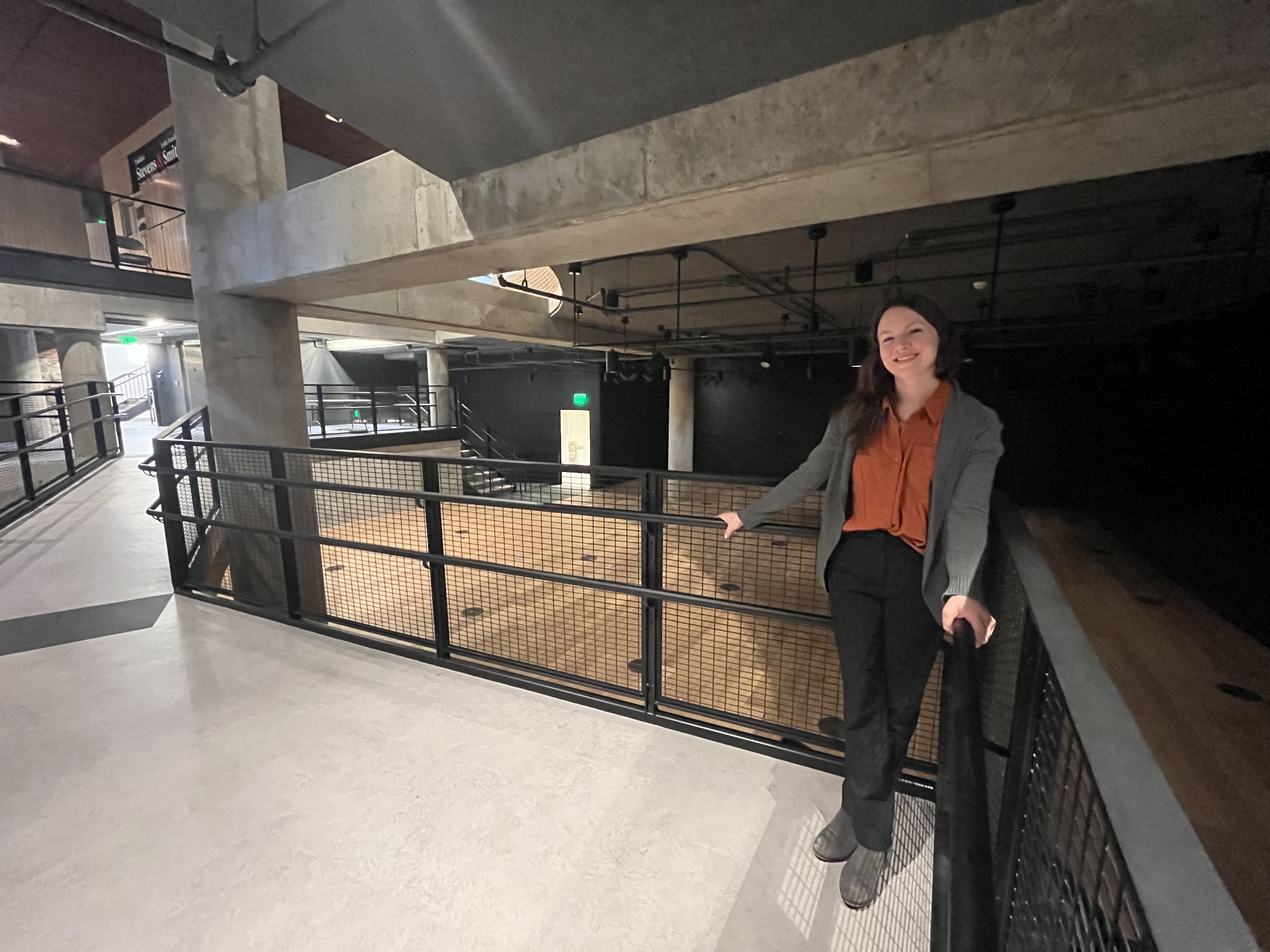



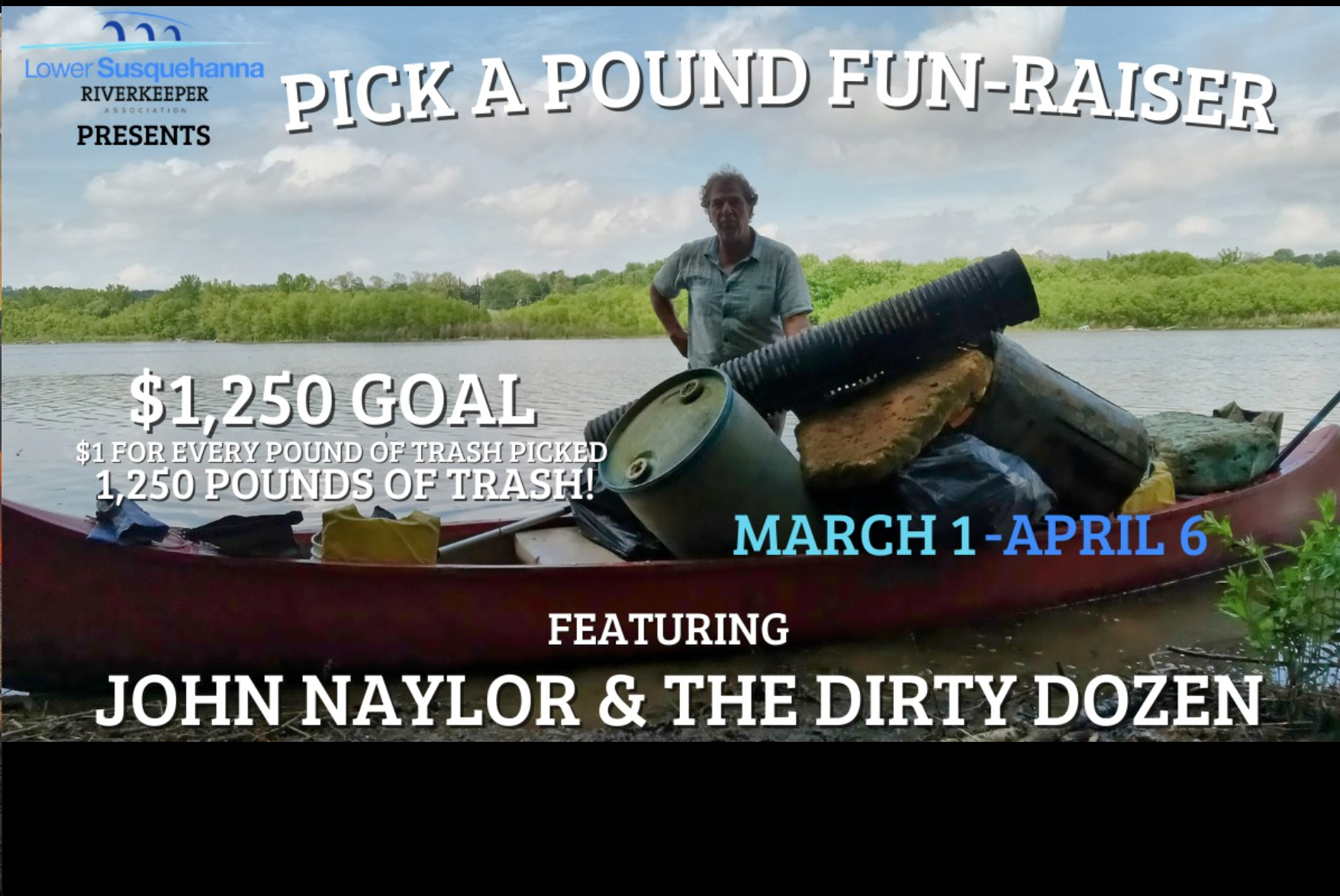
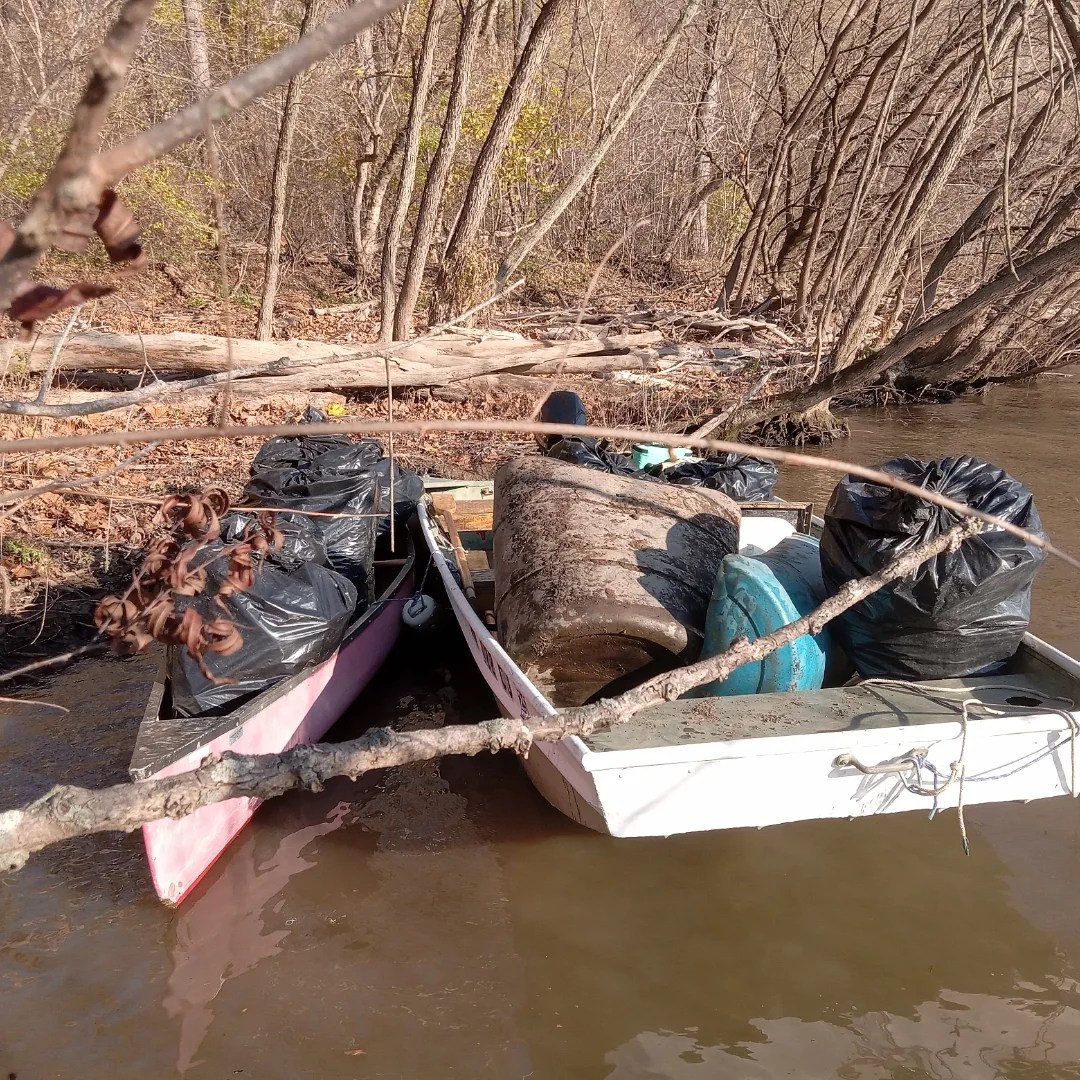
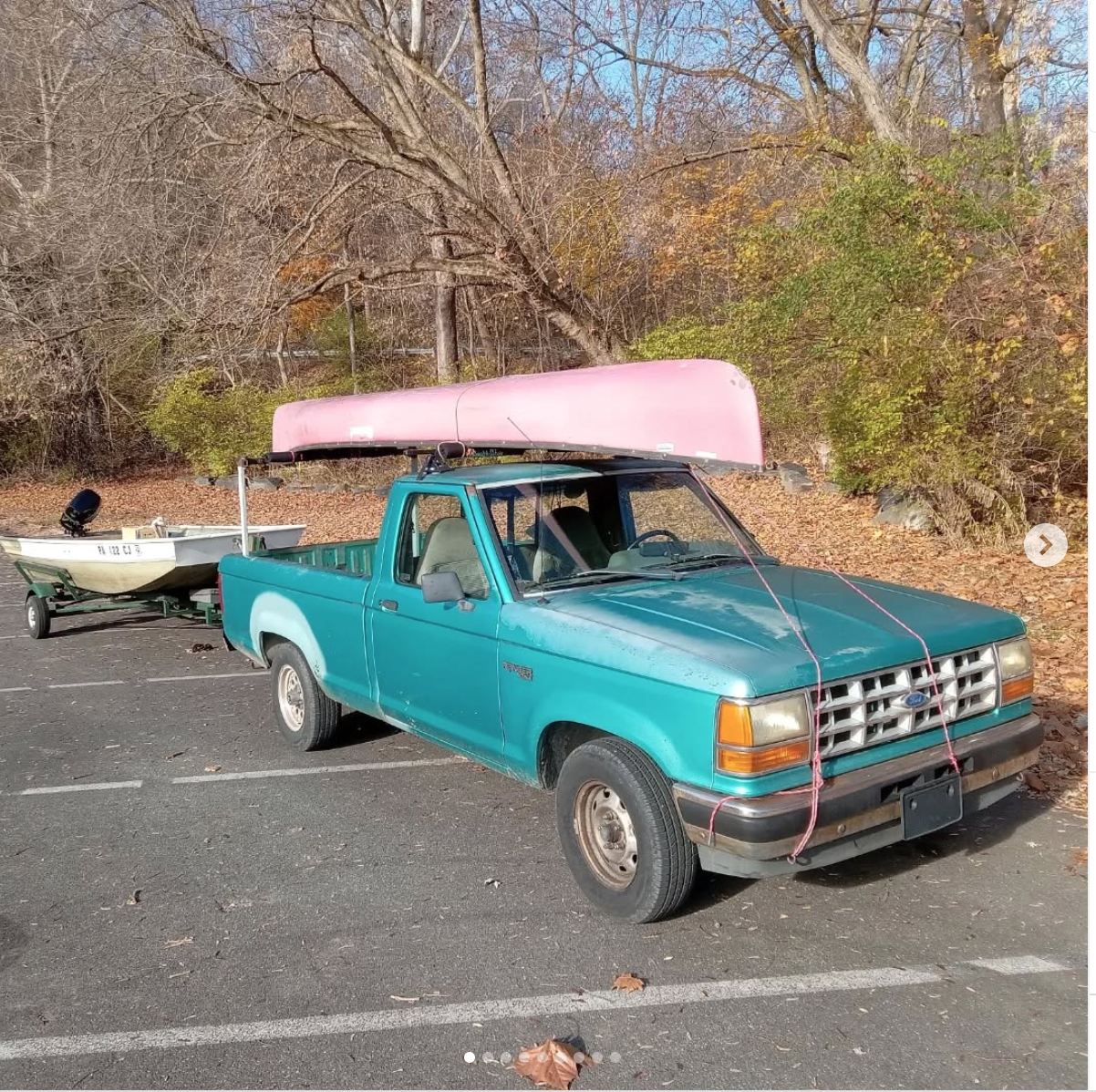
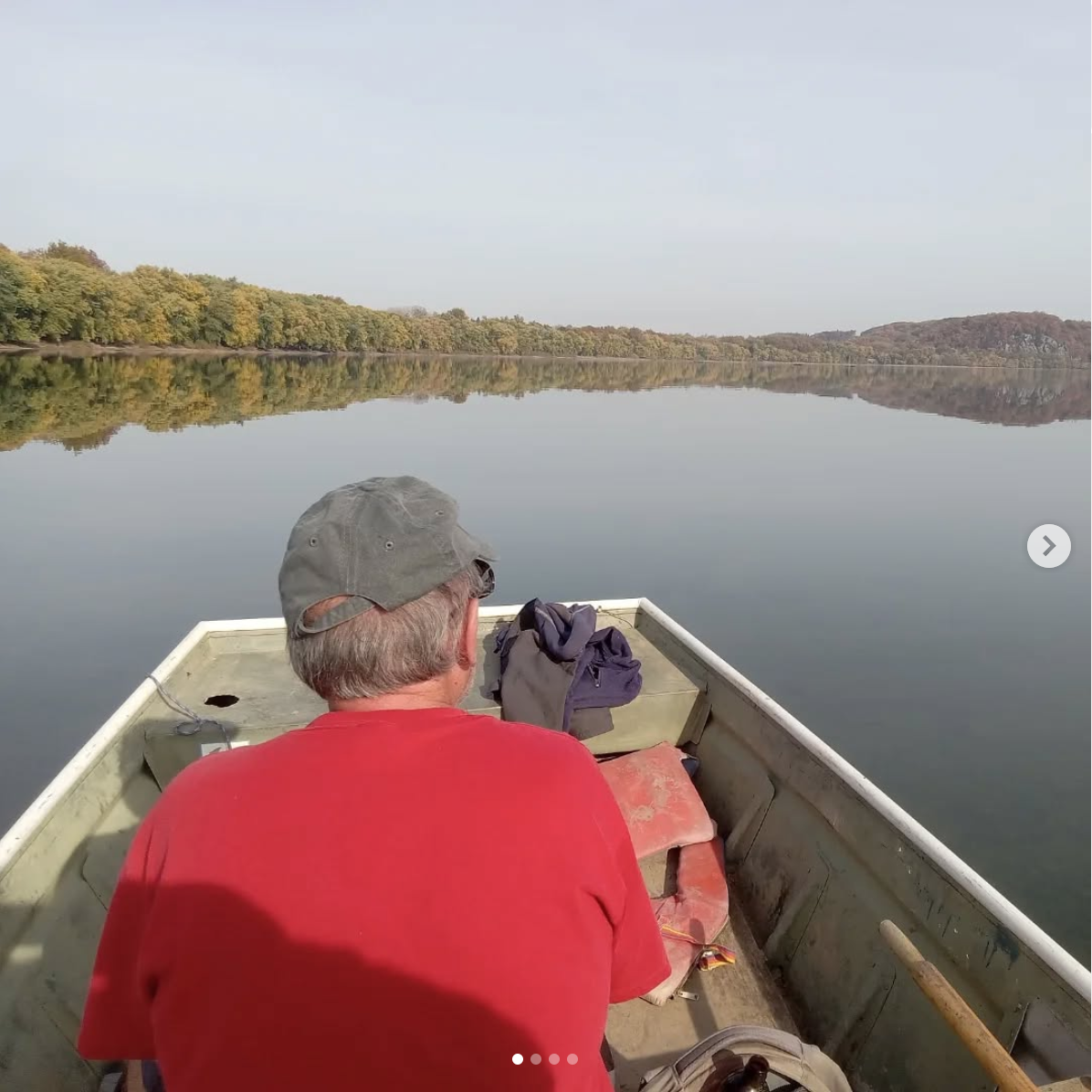
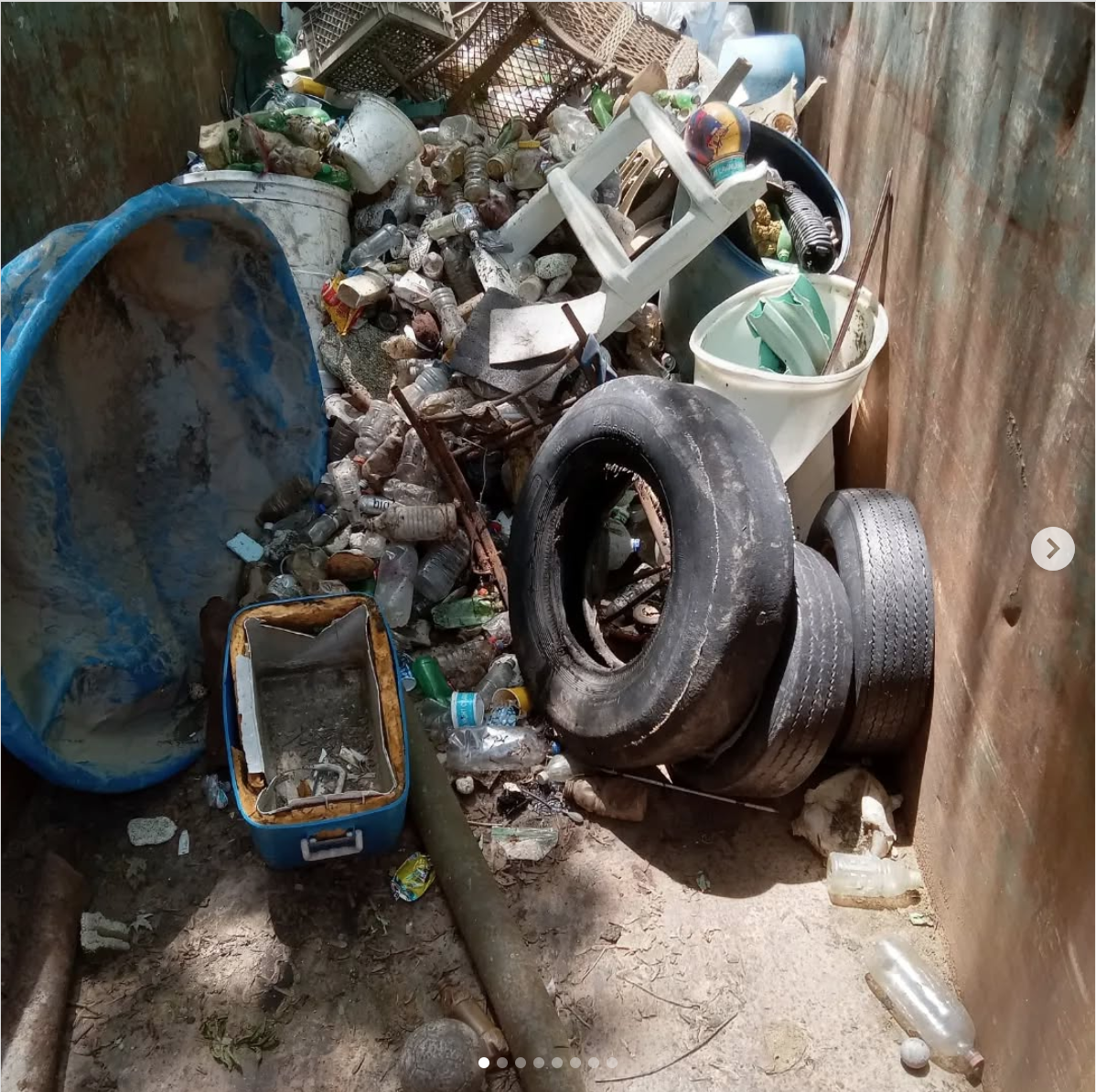

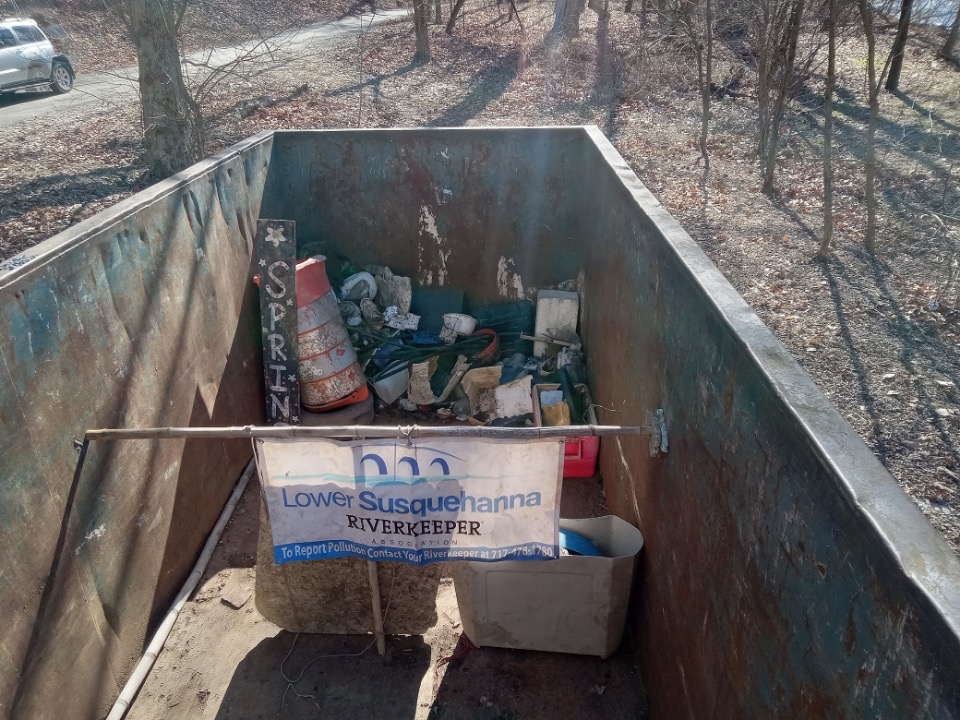
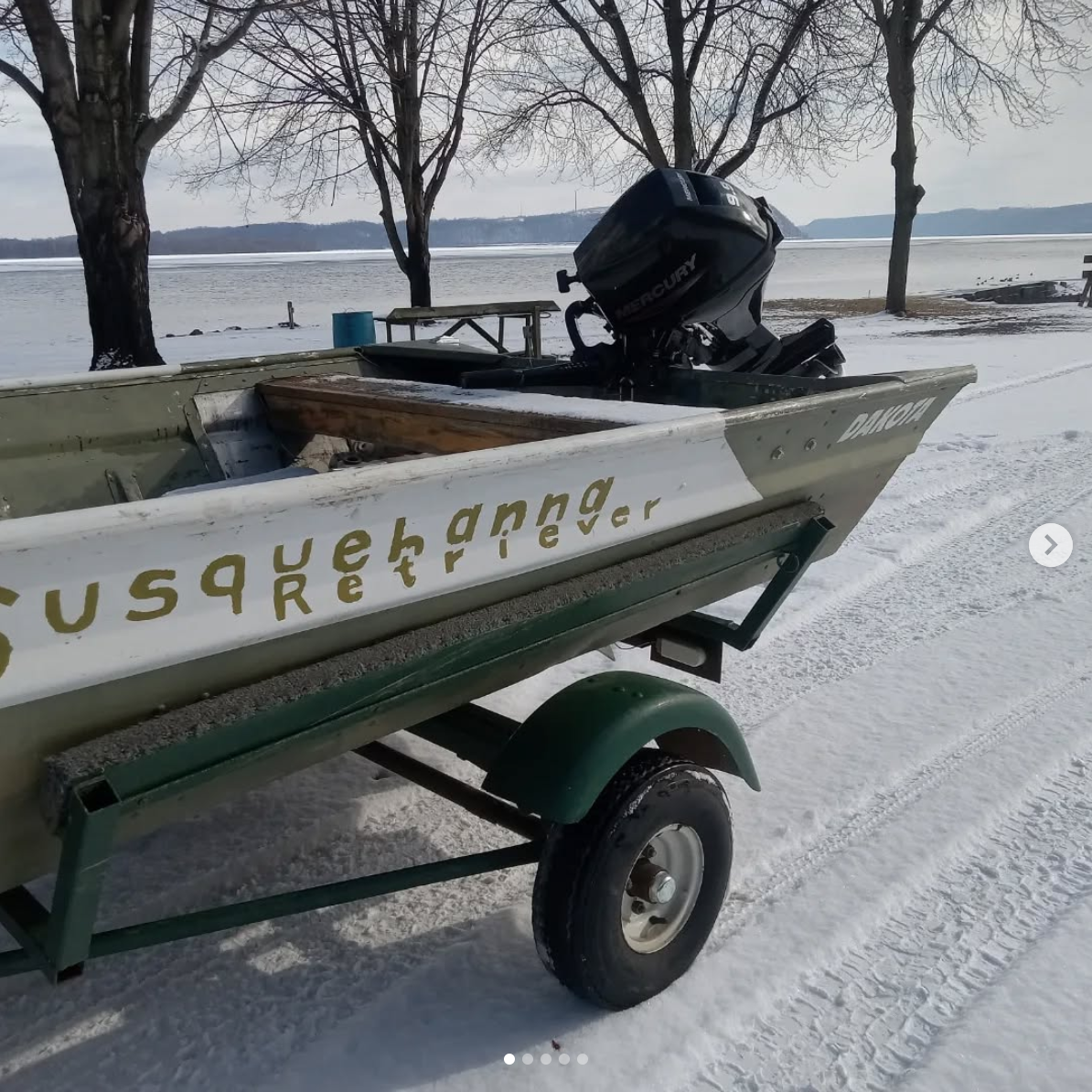








 Green Life Blue Water